
About ovulation and use of ovulation tests
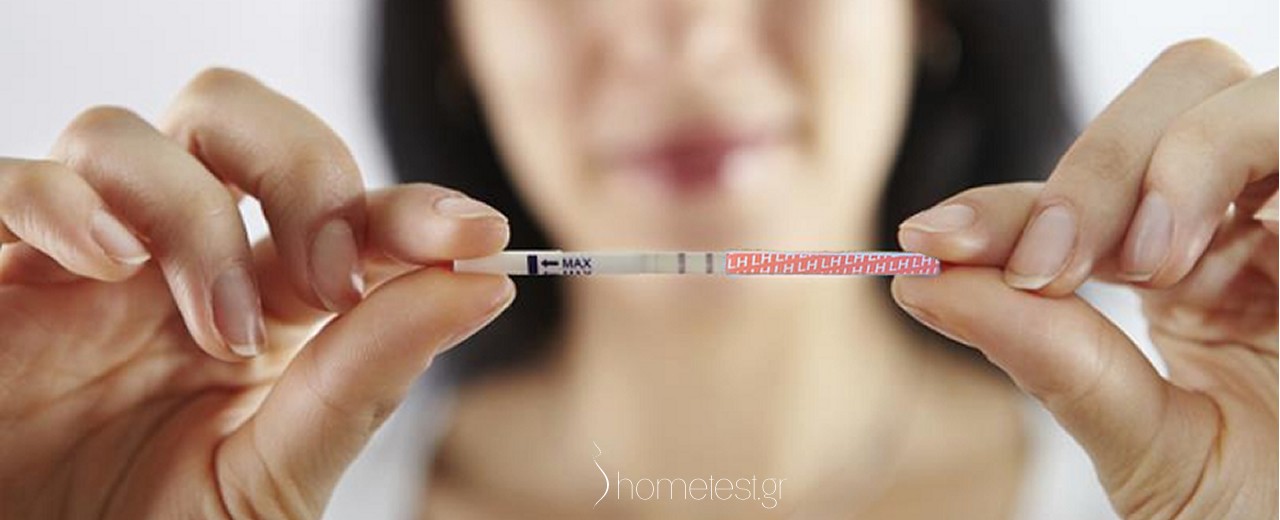
Everything You Need to Know About Ovulation and the Use of Ovulation Tests
What Is Ovulation
Ovulation is a process that usually occurs once in every menstrual cycle, involving the cooperation of several hormones, which cause an ovary to release an egg. Ovulation takes place around the middle of your menstrual cycle. Those days are your fertile days, and by having intercourse at the right time, you increase your chances of conception and pregnancy.
Let’s look at it in more detail: An egg stored in the ovaries grows and matures. When it’s ready, it is released from the follicle and moves toward the fallopian tubes. This is your ovulation. It usually occurs 14 days before your expected next period. Inside the tube, the egg waits for a few hours for the right sperm cell to fertilize it.
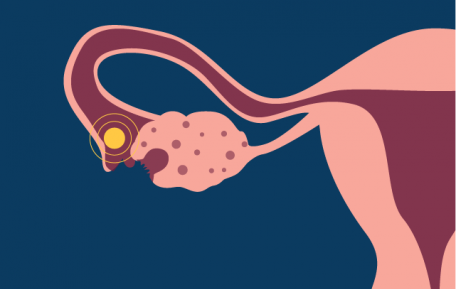
BEFORE ovulation, a hormone called Luteinizing Hormone (LH) peaks, triggering the final maturation and release of the most mature egg. During the same period, the cervical mucus becomes thinner and clearer—like egg white—to help sperm swim more easily toward the egg. Therefore, timing the sperm with the released egg is crucial for conception.
Ovulation Tests
You can achieve this timing with the help of ovulation tests. Start using them after your period ends and continue until you find your first positive result. We provide detailed instructions on when to begin testing, based on the length of your cycles. Even with irregular cycles, there’s a way to use them effectively. With this method, you’ll clearly understand how your body functions during the ovulation process.
When you use ovulation tests and get a positive result, you can plan intercourse for the next three days. It’s best to start on the day of the positive test since sperm can survive in the female reproductive system for several days.

If you follow this three-day intercourse schedule after your positive result, you’ll significantly increase your chances of getting pregnant.
You’ll also eliminate the stress that may have built up during previous cycles when you tried to predict ovulation using a calendar but didn’t always get it right. Keep in mind that most couples who don’t achieve pregnancy quickly are simply having intercourse on the wrong days—outside the woman’s fertile window.
So, the correct steps are:
1. Start using ovulation tests.
2. Identify the positive result.
3. Have intercourse for 3 consecutive days.
4. Wait 2 weeks (see here).
5. Take a pregnancy test.
Good luck!
--------------------
See all our blog articles by clicking here.
0 comment(s)