
Ovulation test vs online ovulation calculator: What is more reliable?
If you are trying to get pregnant, you probably already know how important the fertile window is. During the two most fertile days of the cycle—namely the day of ovulation and the day before—the chances of conception increase dramatically.
In short, timing intercourse on these two days will help you reduce stress and feel confident that you did your best in your effort to conceive.
But how will you know when you are ovulating? There are two main ways: either by calculating your cycle or by using ovulation tests. Online, you can find various tools that estimate your fertile days, while you can also easily and affordably purchase reliable ovulation tests, such as those from hometest.
So the question is: which is more reliable—the ovulation test or the online ovulation calculator?
Each method works in a completely different way, so it’s important to understand their pros and cons.
Online ovulation calculators: Free but with low reliability
These types of tools do something very simple. They ask you to input certain details, such as the length of your recent cycles, and then statistically estimate when ovulation is most likely to occur.
Since ovulation typically happens 14 days before your next period, if you have a regular cycle, you can estimate your ovulation based on your usual cycle length and your last period.
The advantages of this method are obvious:
- It provides instant results.
- It is quick and easy.
- It is free.
So what’s the problem? The main issue with online ovulation calculators is that their reliability is very low.
Why is that?
- They assume you have a perfectly regular cycle (e.g., 28 days).
- They cannot predict if a cycle will be shorter or longer.
- They do not take into account factors such as stress, fatigue, or illness that may affect your cycle.
In short, it’s a helpful tool if your cycle is perfectly regular with no variation from month to month. Otherwise, it can only give you an approximate idea of when ovulation may occur—and if you rely on it completely, you might miss your fertile days.
Ovulation tests: The most effective and reliable method
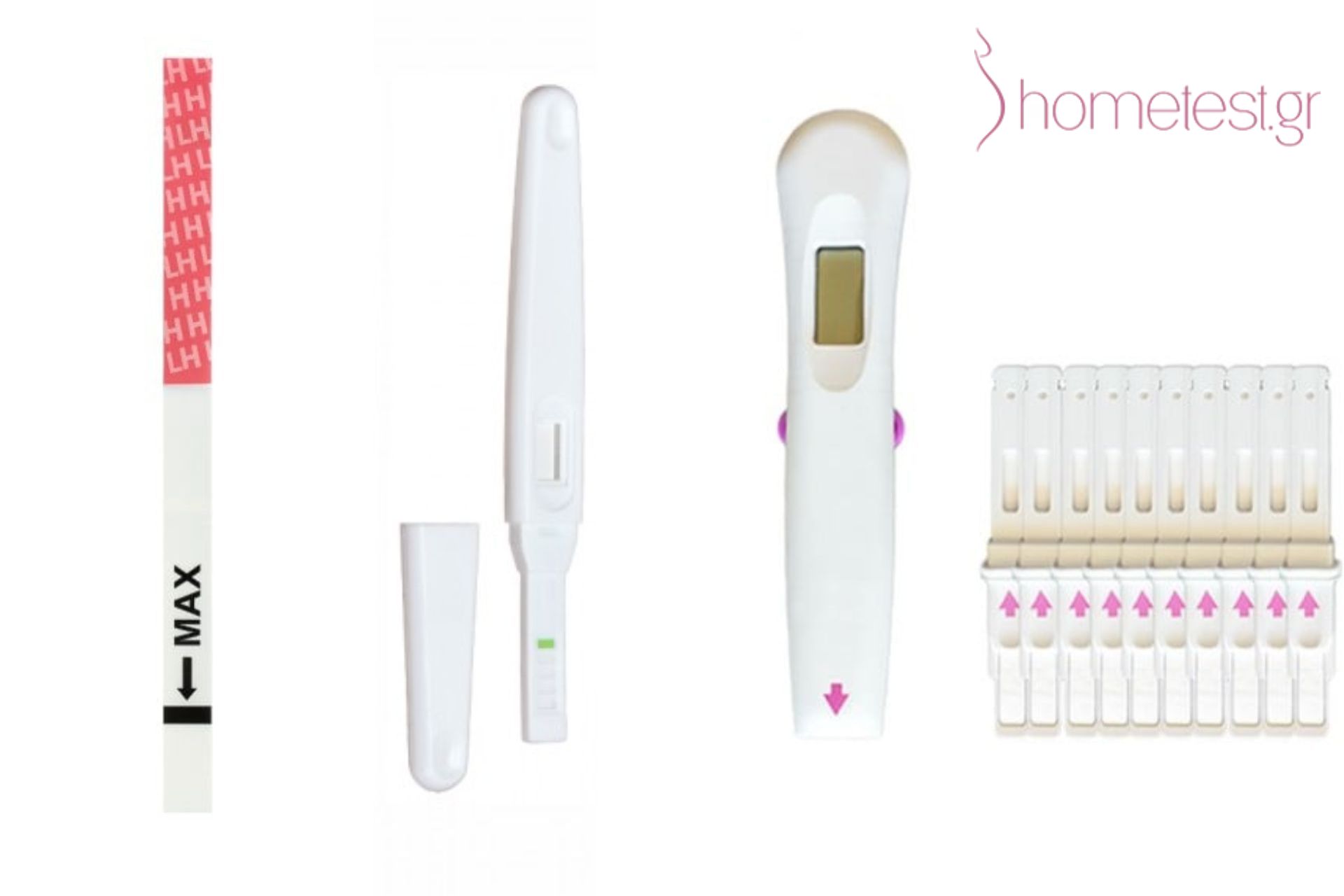
Ovulation tests do something very simple but highly effective. They detect the surge of luteinizing hormone (LH) in urine, which occurs 24–36 hours before ovulation.
This means that, instead of relying on statistical estimates, they identify the two most fertile days of your cycle based on actual hormonal changes—so there is no chance of missing them.
The only requirement is proper use of the tests—knowing when to start and how to read the results. Fortunately, this is not difficult:
If you start ovulation testing from day 8 of your cycle (especially if you have a shorter cycle) and test every day, you will know ovulation will occur the next day when you see a positive result—either a YES indication on a digital test or a dark second line on strip tests.
When should I start ovulation tests? The ideal day based on your cycle
Ultimately, the best strategy is to use an ovulation calculator to get a rough idea of your most fertile days based on your cycle profile. Then, start using ovulation tests at least 2–3 days earlier, so there is absolutely no chance of missing ovulation and your highest chances of getting pregnant.
In fact, with ovulation test strips from hometest, you can test early in a very affordable yet 100% reliable way, ensuring you are completely confident about your fertile days!
Learn: What is considered a positive ovulation test result? A guide to lines and color
0 comment(s)