
What is considered a positive result on an ovulation test? A guide to lines and color

An ovulation test is the most effective, easy, and affordable way to identify when you are ovulating and significantly increase your chances of getting pregnant in each cycle.
It works in a very simple and easy-to-understand way. It detects the rise of luteinizing hormone (LH), which occurs 24–36 hours before ovulation. In simple terms, if you take an ovulation test every day starting around the 10th day of your cycle, there is no way you will miss your ovulation, which usually occurs around days 14–16 in a regular cycle.
Most importantly, you will learn when your two most fertile days are: the day before ovulation and the day of ovulation itself.
The key point is that interpreting an ovulation test is different from interpreting a pregnancy test. Seeing a second line does not necessarily mean the test is positive. It requires a bit more familiarity to understand exactly when ovulation is happening and when it is not.
Read below what to pay attention to depending on whether you are using a digital or a midstream test.
Digital ovulation test: The simplest solution
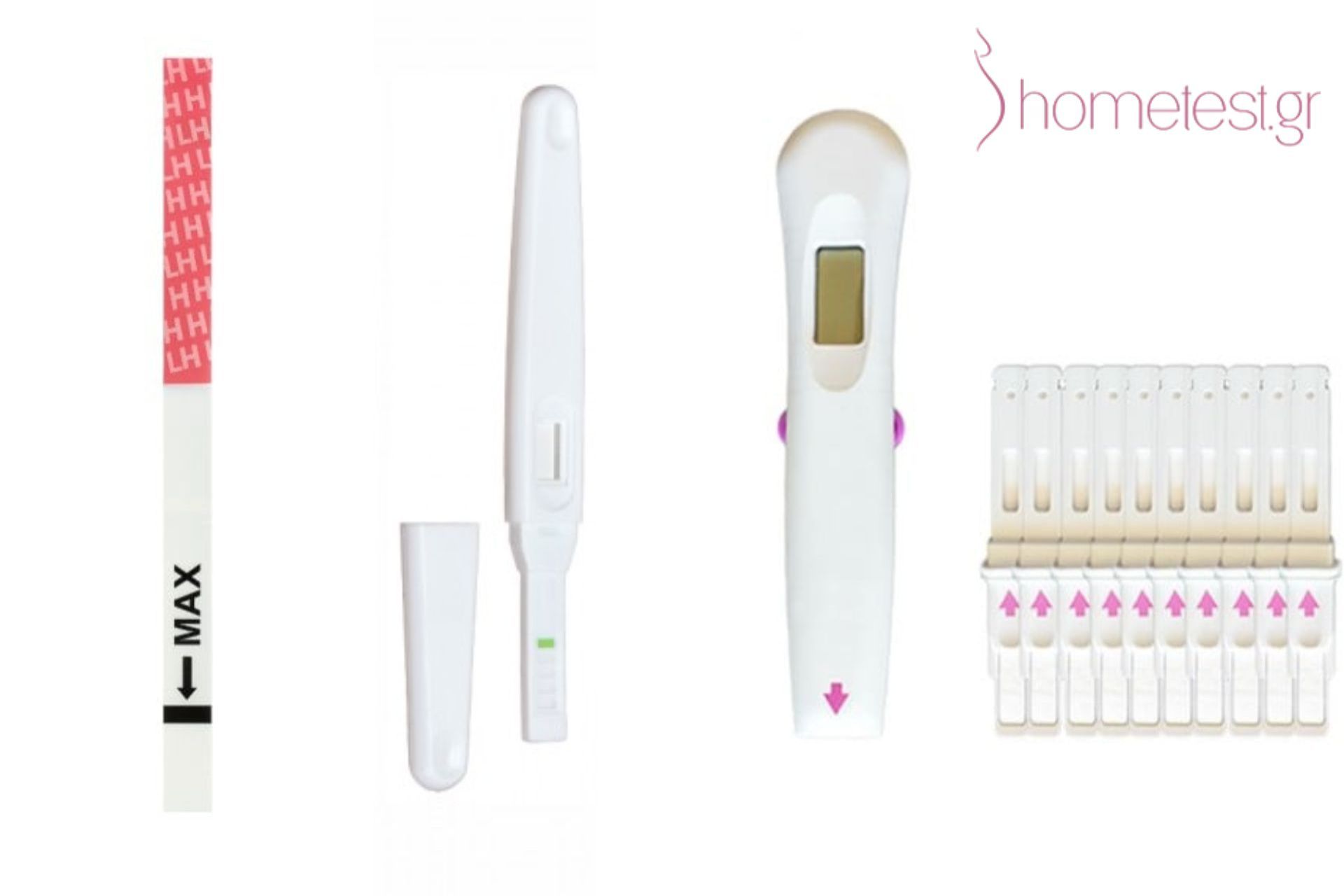
The digital ovulation test does not require interpretation, as it does the interpretation for you. If the test is positive, it displays YES, and if it is negative, it displays NO.
In practice, the test detects the concentration of luteinizing hormone and shows a positive result only when it is high enough, indicating that ovulation is imminent.
However, since digital tests are more expensive, many women choose the two-line test option, which is certainly more affordable but requires some experience in reading the results.
When two lines mean a positive test
If you do not use a digital test, then you have two options:
- Midstream test with a plastic casing
- Strip test, which is the most affordable option
In both cases, the test shows one control line, and if it is positive, it also shows a second result line.
The issue is that two lines alone are not enough to consider the test positive. The second line must be dark, equal in intensity or even darker than the control line.
So, there are three possibilities:
- No second line: The test is negative, meaning ovulation is either still some time away or has already passed.
- A faint second line: LH levels have started to rise, but have not yet reached their peak. Ovulation still needs a bit more time to occur.
- A dark second line: The test is positive, and ovulation will occur within 24–36 hours.
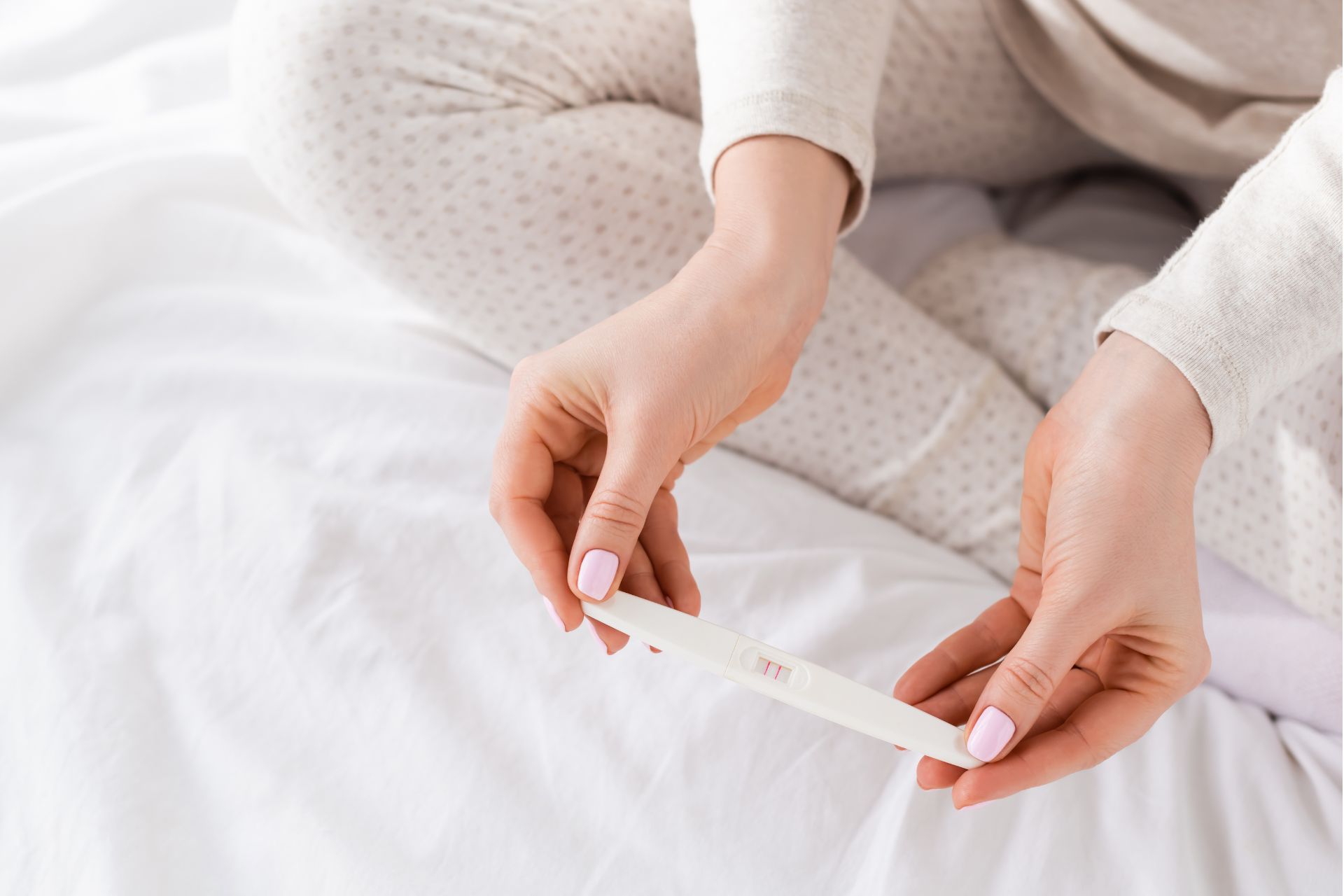
Ovulation tests work differently from pregnancy tests
Therefore, it is clear that ovulation tests are different from pregnancy tests. While a pregnancy test is considered positive even with a faint line indicating an increase in hCG, an ovulation test is only positive when it detects not just an increase, but a sharp surge in LH.
If you keep this in mind, you will not encounter any issues and will be able to accurately determine when your ovulation test is positive and, therefore, when your fertile window occurs.
See: Fertility & Ovulation: The complete guide to the fertile window
At HomeTtest, you will find easy-to-use and reliable ovulation tests that are very easy to read and will effectively support you on your journey to pregnancy!
0 comment(s)