
When should I start ovulation testing? The ideal day depending on your cycle
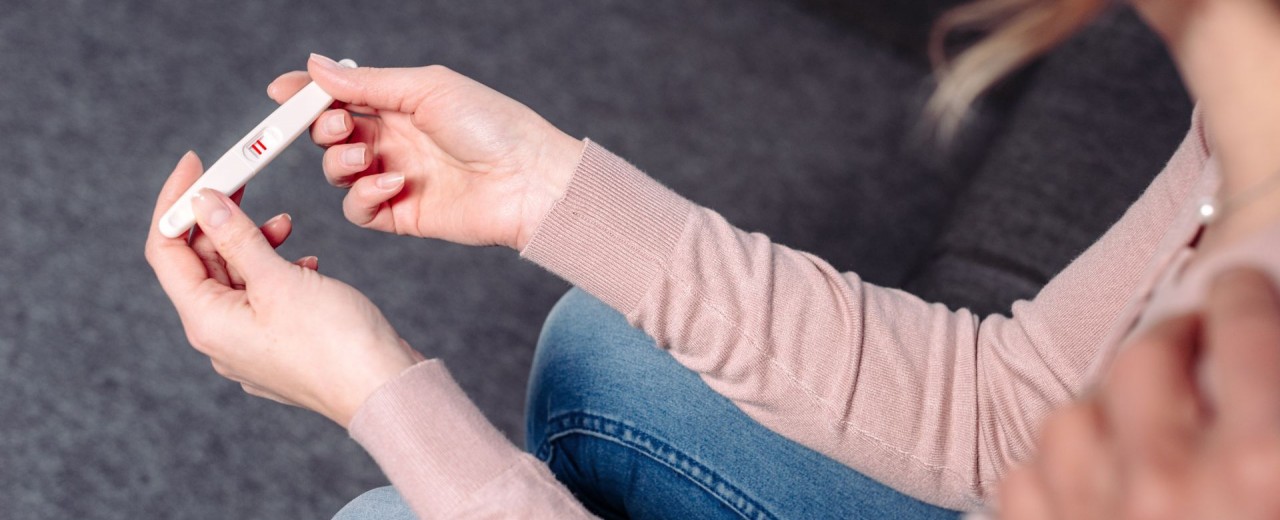
An ovulation test is the key to successfully getting pregnant, since timing plays a huge role. In simple terms, the hard truth is that if you miss the two-day fertile window in your cycle—when ovulation occurs—then your chances of pregnancy become very low.
But when does ovulation happen? And when should you start using ovulation tests to make sure you don’t miss it?
Let’s take a step-by-step look at what you need to do and when, so you can make the most of your fertile days and soon hold a baby in your arms.
When does ovulation occur and why is an ovulation test necessary?
Ovulation occurs approximately 14 days before your next period. This practically means that you cannot know 100% in advance exactly when it will happen, even if you have a regular cycle.
The egg remains viable in the fallopian tubes for about 24 hours while waiting for sperm, so intercourse should take place one day before ovulation and on the same day, to maximize your chances of conception.
If you miss this day, your chances drop dramatically. But what happens if your cycle is not perfectly regular? Most women have a variation of 2–3 days in each cycle, so it’s difficult to know exactly when your next period will arrive in order to calculate the 14 days before.
But even with a perfectly regular cycle, ovulation can vary by 1–2 days depending on the month and your body’s needs.
This is where ovulation tests come in, scientifically showing you with high accuracy when you are ovulating. An ovulation test detects in urine the increase of luteinizing hormone (LH), which occurs 24–36 hours before ovulation.
This way, you know the most suitable time when ovulation will occur, so you can plan intercourse accordingly.
But how should you use the test? The most important factor is timing—starting early enough so you don’t miss your fertile window.
Learn: How lifestyle affects fertility: 5 tips to increase it naturally
When should I start using an ovulation test?
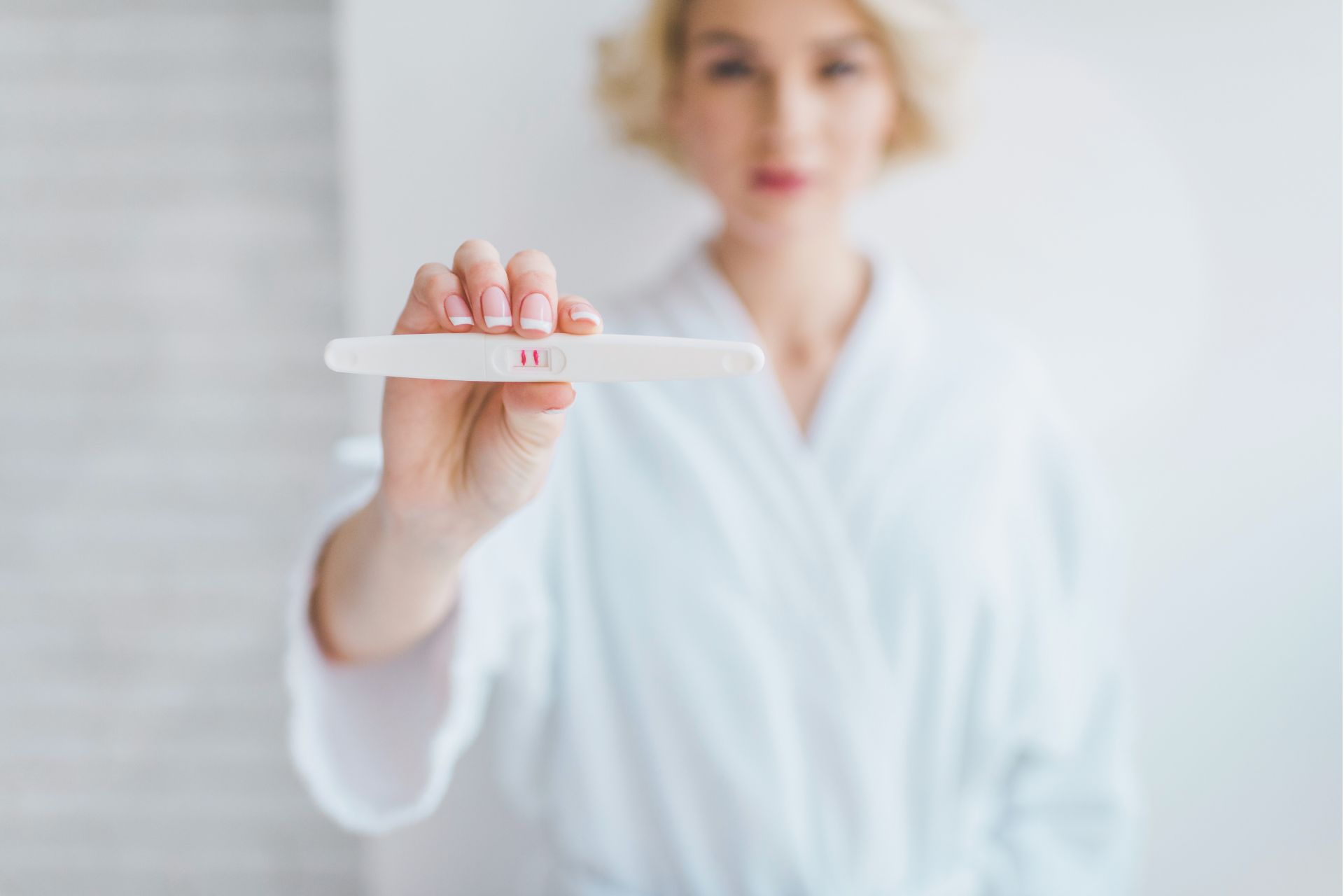
To be absolutely sure, the general rule says you should start about 4–5 days before the expected day of ovulation, that is 18–19 days before your expected period.
However, since this is theoretical, let’s look at it more specifically depending on the length of your cycle.
When should I start an ovulation test if my cycle is 28 days?
If you have a regular 28-day cycle, you can start on the 10th day of your cycle.
Ovulation will occur around day 14, so by starting a few days earlier, you ensure there’s no chance of missing it, as a positive ovulation test will most likely appear on day 12 or 13 of your cycle.
When should I start an ovulation test if my cycle is 26 days or shorter?
If your cycle is shorter, it’s best to start testing as early as possible.
In a 26-day cycle, the 8th day is ideal, but if you have had months with an even shorter cycle, you can start even earlier to avoid missing ovulation.
When should I start an ovulation test if my cycle is 30 days or longer?
Similarly, if your cycle is 30 days, you can start ovulation testing on the 12th day of your cycle.
It’s a good idea to stick with this day even if you have a longer cycle (e.g., 32 days), because there’s always a chance that this month your cycle will be shorter.
In very long cycles (e.g., 35–40 days), things become a bit more challenging, as you may need several days of testing before you see a positive result. However, if you notice multiple positive tests over several days, this may indicate polycystic ovaries, and it’s best to consult your doctor.
See: Fertility & Ovulation: The complete guide to the fertile window
The important thing, however, is to start early for maximum certainty. With ovulation test strips from HomeTest, you can very easily and most importantly affordably take as many tests as needed until you get a positive result and know your fertile window accurately!
0 comment(s)