
Pregnancy with one ovary. Feasible or not?

Pregnancy with one ovary – is it possible? This is the question most women with one ovary ask themselves. Let’s see below everything you need to know and how you can increase your chances of conception.
How does ovulation occur with one ovary?
Ovulation is the monthly release of an egg from the ovaries — either from the right or the left ovary. Most women have two ovaries (one on each side). Ovulation can occur from either ovary each month. When one ovary has been removed, or when a woman is born with only one ovary, the existing ovary usually takes over the entire process of ovulation, releasing on average one egg each month.
Can I get pregnant with one fallopian tube?
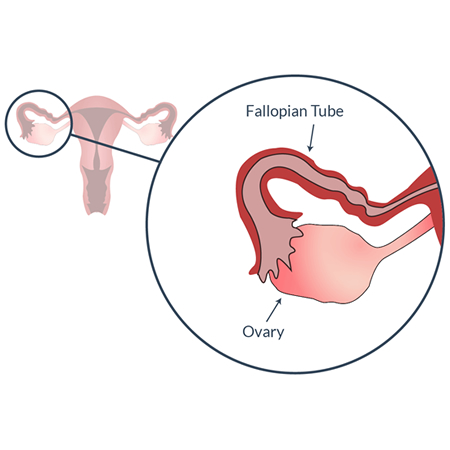
If you’re wondering whether it’s possible to have a baby with one fallopian tube, the answer is that achieving pregnancy with one tube or one ovary is both possible and equally easy, as long as the tube is intact. The fallopian tube is the small channel that connects the ovary to the uterus. If the tube is missing or blocked and not functioning properly, then natural conception is almost impossible. However, what matters most is that ovulation with one tube does occur and is not affected in any way.
Let’s not forget that to achieve pregnancy, three key factors are necessary:
• Healthy and abundant sperm, produced by the man and deposited into the female reproductive system during intercourse.
• A healthy egg, released each month from one of the ovaries.
• The fallopian tube, which connects the uterus to the ovary. Inside it, the egg must meet the sperm for fertilization to occur. The fertilized egg will then move toward the uterus for implantation. Therefore, pregnancy with one tube is possible, as long as the remaining tube is not blocked.
In extremely rare cases, the egg (which is released into the abdominal cavity and absorbed by the body if there is no tube) can float through body fluids and meet the sperm. This extremely rare situation puts the woman at risk of an ectopic pregnancy — a life-threatening condition that requires immediate medical attention.
Tips to improve fertility with one ovary
When there is only one ovary, in order to maximize your chances of conception and minimize the time needed to achieve pregnancy, you should:
• Use an ovulation test to identify your fertile days.
• Have frequent intercourse, focusing within your ovulation period.
• About 15 days after your first positive ovulation test, you should expect your period. You can take a pregnancy test to find out if you are pregnant.
If you have only one ovary and do not get pregnant within 12 months — or if you are over 40 years old — you may want to consult your gynecologist to ensure there is no other underlying cause for the difficulty in conceiving.
The good news is that in most cases, pregnancy is indeed possible with only one ovary; in some situations, additional assistance may simply be needed. Having one ovary and fertility are not incompatible concepts — as long as you are well-informed and take the right steps.
--------------------
See all our blog articles by clicking here.
0 comment(s)