
Early Detection Pregnancy Test: Everything You Need to Know

Many things can be stressful when a woman is trying to get pregnant. But nothing is as stressful as the notorious two-week wait. The time between ovulation and the expected period, when she can take a test and see if she got pregnant.
This exact stress and anticipation are what early detection pregnancy tests aim to "cure", as they promise to detect pregnancy many days before the first day of delay.
But how reliable are early detection pregnancy tests? Do they truly relieve anxiety, or do they perhaps make it worse? What should every woman using them be aware of?
Let’s look at everything more analytically below.
Advantages of early detection pregnancy tests
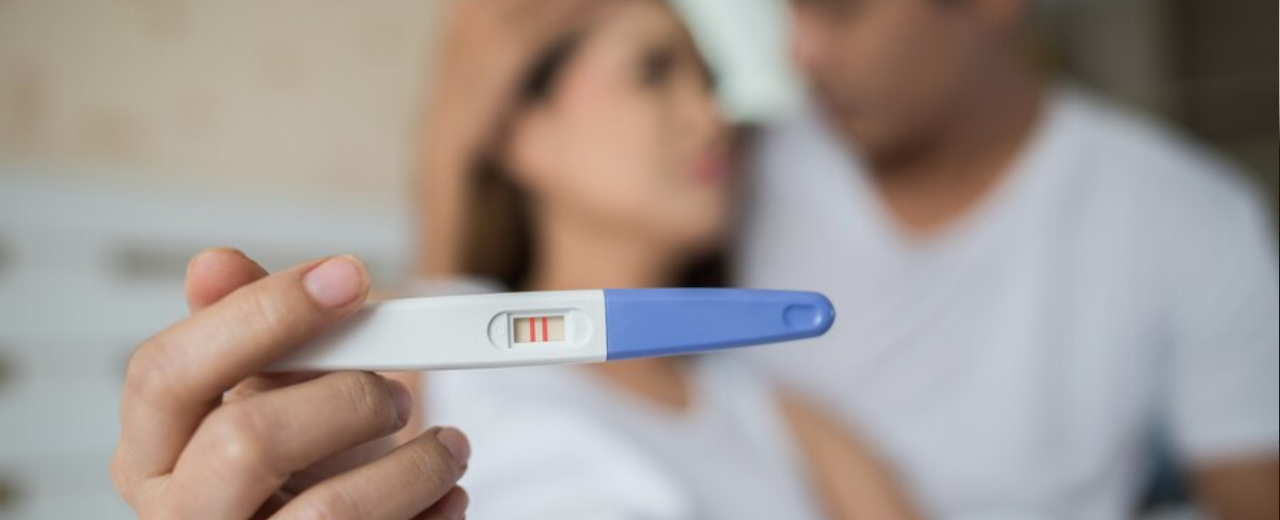
These types of pregnancy tests can be beneficial for women who experience intense stress regarding achieving pregnancy and want to know as early as possible whether they succeeded this month.
Although anxiety is a factor that is difficult to overcome, it is important for a woman to know she is pregnant as early as possible, as this allows her to make the necessary lifestyle changes.
This adjustment in the lifestyle of a pregnant woman means abstaining from alcohol, being careful with the consumption of well-cooked meat and washed vegetables, as well as following any other medical advice (e.g. stopping or starting medications).
However, all these advantages apply only if the woman sees a positive result. Something that is not guaranteed at all.
Disadvantages of early detection pregnancy tests
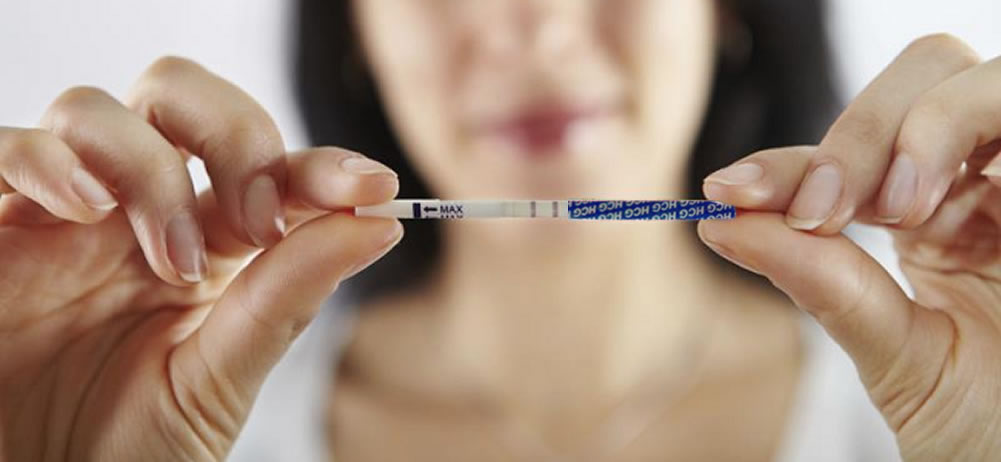
The biggest problem with early detection pregnancy tests is their reliability. The pregnancy hormone (β-hCG) is naturally at very low levels in the first days after the fertilized egg implants in the uterus — something that occurs about 7 days before the expected period.
In other words, it is very likely that the test will give a false negative result because it cannot yet detect the hormone and show the desired second line. Considering that a test taken 4–6 days before delay has only a 25–40% chance of being accurate, we understand that it may actually cause more stress.
In addition to anxiety and disappointment, early detection tests are also much more expensive than standard ones, exactly because they aim to detect the hormone at much lower levels.
There is, however, something else every woman trying to conceive should know, no matter how disappointing it may be. In nearly 30–50% of cases (depending on the woman’s age), early-stage pregnancies do not progress. Beyond the possibility of miscarriage — the negative outcome after the pregnancy has been confirmed via ultrasound — there is also the case of biochemical pregnancy.
A biochemical pregnancy is one that ends a few days after implantation. In many cases the woman does not even realize it, as her period arrives on time. But if she has taken an early detection test and initially celebrated a positive result, she then experiences the disappointment and grief of a pregnancy that did not continue.
In conclusion

Early detection pregnancy tests are designed to address anxiety, but in many cases the effect can be the opposite. What is certain is that the closer the test is taken to the first day of delay, the more accurate the result will be.
At Hometest, our primary goal is to provide every woman who wants a baby with reliable results that will help her take the next step — not uncertain results that may burden her emotionally.
For this reason, we offer reliable pregnancy tests that show 100% accurate results from the first day of delay. However, our tests are so reliable and sensitive that, although they are not categorized as early detection tests, they can still show a positive result even 4 days before the delay.
In any case, it is wise for every woman to weigh the pros and cons, as the expected delay is only a few days away and in many situations it may be better — for several reasons — to simply wait those few days.
0 comment(s)