
Am I pregnant or am I getting my period? The questions that will help you understand

Confused by your symptoms? Check these 8 questions that make all the difference and find out whether it's time to take a pregnancy test.
If you're trying for a baby, the days before your expected period can feel like an eternity. Your breasts hurt, your abdomen feels tight, your mood changes, and every little sensation in your body makes you wonder the same thing: “Am I pregnant, or is my period coming?”
The truth is that early pregnancy symptoms are very similar to premenstrual symptoms. This creates even more anxiety, especially when you're eagerly hoping for a positive result or simply want to understand what's happening in your body.
Below, you'll find 8 key questions—a quiz to help determine whether you might be pregnant—that can help you better understand your body's signals and decide when it makes sense to take a pregnancy test.
Why are pregnancy and period symptoms so similar?
The reason it's so easy to get confused is hormonal.
Both early pregnancy and the days leading up to your period are heavily influenced by progesterone, the hormone that dominates the luteal phase, which is the phase of the menstrual cycle after ovulation.
This means that in both situations, symptoms such as:
- breast pain
- bloating
- fatigue
- cramps
- mood swings
can occur.
The main difference is that when pregnancy occurs, after implantation the body begins producing the hCG hormone (human chorionic gonadotropin), which keeps progesterone levels high and gradually creates more distinctive pregnancy symptoms.
That's why many women feel that something is different even before taking a test. It may be intuition, but it may also be the body's response to rising hCG levels due to pregnancy.
8 Questions That Can Guide You
Have you missed your period by more than 4–5 days?
A missed period is usually the first sign that makes a woman consider the possibility of pregnancy.
If your cycle is relatively regular and several days have passed without your period arriving, the chances of pregnancy increase significantly.
Of course, a slight delay of 1–3 days may also be caused by:
- stress
- fatigue
- hormonal fluctuations
- changes in sleep or diet
However, if your period is delayed by more than 4–7 days, you should take a pregnancy test.
Do you feel nauseous, especially in the morning?
Nausea is one of the most well-known pregnancy symptoms, but it doesn't always appear that early. Typically, the first symptoms of nausea appear after 6–7 weeks of pregnancy, which is 2–3 weeks after a missed period, once hCG levels have increased.
However, some women describe a strange unsettled feeling in the stomach or an aversion to certain foods even before their period is due.
If the nausea is accompanied by:
- sensitivity to smells
- a metallic taste in the mouth
- extreme fatigue
then it is more likely related to pregnancy rather than premenstrual syndrome (PMS).
Do your breasts hurt more than in previous cycles?
Breast tenderness can occur both before a period and in early pregnancy.
However, there is a subtle difference that many women describe quite clearly. During pregnancy, the breasts often feel:
- heavy
- swollen
- tender to the touch
In general, many women report that their breasts felt different from previous cycles.
Additionally, some women notice darker nipples or more prominent veins in their breasts from the very first days of pregnancy.
Are you going to the bathroom more often?
Frequent urination is one of the earliest pregnancy symptoms, surprising as that may sound.
Hormonal changes and increased blood flow to the pelvic area can create the sensation of needing to urinate more often, even when hCG levels are still relatively low.
If this occurs without burning or pain, it may be an early sign of pregnancy. Otherwise, it may be worth checking for a urinary tract infection, especially if you experience significant discomfort while urinating.

Do you feel unusually tired?
The fatigue of early pregnancy is different from the usual tiredness experienced before a period.
Many women describe feeling:
- exhausted
- sleepy
- low on energy
In other words, it's not just ordinary tiredness—it's the kind of fatigue that makes you want to sleep all the time. This happens because progesterone levels rise significantly after implantation.
Did you have intercourse during your fertile window?
This is perhaps the most important question of all.
If you had intercourse on the day of ovulation or 1–2 days before, your chances of pregnancy increase dramatically.
On the other hand, if you did not have intercourse during your fertile window, the chances are lower even if you're experiencing some possible symptoms.
Do smells or tastes seem different to you?
An aversion to certain smells and tastes is one of the most characteristic pregnancy symptoms.
Suddenly, you may dislike the coffee you once loved, or a food you normally enjoy may seem strangely unpleasant. Other women report noticing smells much more intensely than before.
This happens because of the hormonal changes of early pregnancy and is much less common with PMS.
Did you experience very light bleeding a few days before your period?
So-called implantation bleeding is one of the few symptoms that is strongly associated with pregnancy rather than an upcoming period.
It usually consists of a few pink or brown spots that appear 6–12 days after ovulation as the fertilized egg implants into the uterine lining.
Read more about all the pregnancy symptoms before a missed period.
Symptoms More Commonly Associated with Pregnancy
Although many symptoms resemble PMS, certain signs are primarily or exclusively linked to pregnancy:
- implantation bleeding
- aversion to smells
- metallic taste in the mouth
- extreme fatigue
- frequent urination
- darkening of the areola
- nausea before a missed period
Of course, every body is different. Some women experience strong symptoms very early, while others have almost none.
When and How to Take a Pregnancy Test: A Practical Guide
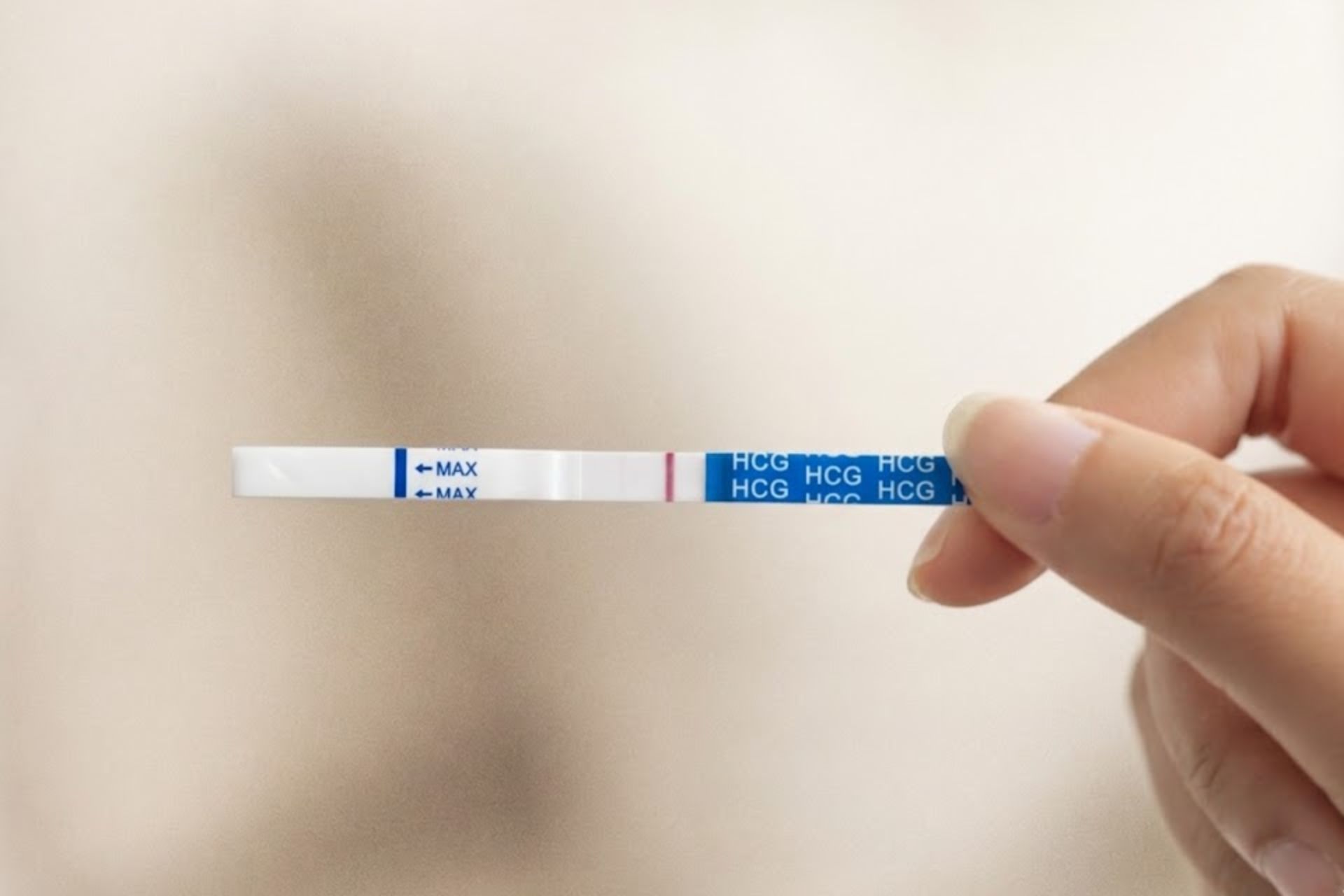
No matter how well you know your body, symptoms alone are not enough to reach a reliable conclusion. The only dependable way to find out if you're pregnant is to take a pregnancy test.
If your period is already late, you can take a test from the very first day of the delay.
If you can't wait, early-detection pregnancy tests can be used even 4–6 days before your expected period, although the chances of a false-negative result are higher.
Ideally, it's best to test no earlier than 2–3 days before your expected period. Read here: When Exactly Should You Take a Pregnancy Test?
For the most reliable results:
- use your first morning urine sample
- read the result within the recommended time frame
- if the result is negative but your period still doesn't arrive, repeat the test after 48 hours
If the Test Is Positive: Next Steps Without Stress
If you see a positive result, take a moment and breathe. A special new chapter of your life may have just begun!
The next steps are:
- repeat the test in 1–2 days
- contact your gynecologist
- schedule a blood test to measure hCG levels for pregnancy confirmation and monitoring
Even before speaking with your doctor and confirming the pregnancy through blood work, it's wise to avoid:
- alcohol
- smoking
- medications without medical guidance
Above all, try not to pressure yourself into having all the answers immediately. Whether you've been trying to conceive for a long time or the news comes unexpectedly, it's completely normal to feel anxious, excited, or even confused.
Explore the 100% reliable pregnancy tests from Hometest and begin this beautiful journey with confidence and peace of mind.
0 comment(s)