
Preparation for pregnancy at any age: What you need to know for immediate results

The period during which you are trying to get pregnant can be quite stressful, especially if that second little line on the pregnancy test is taking too long to appear.
What you should definitely keep in mind is that it usually takes several months for conception and pregnancy to occur. In any case, however, you can prepare yourself properly in order to shorten this period as much as possible and hold a baby in your arms sooner.
Depending on your age, you will need to do different things so that you can increase your chances in each cycle.
Especially from the age of 35 and onward, it's a good idea not to leave things to chance, as time, unfortunately, is not on your side. Of course, we don’t say this to stress you out, but to encourage you to do everything necessary so you can succeed.
After all, proper preparation is of key importance for that positive test you will soon hold with emotion!
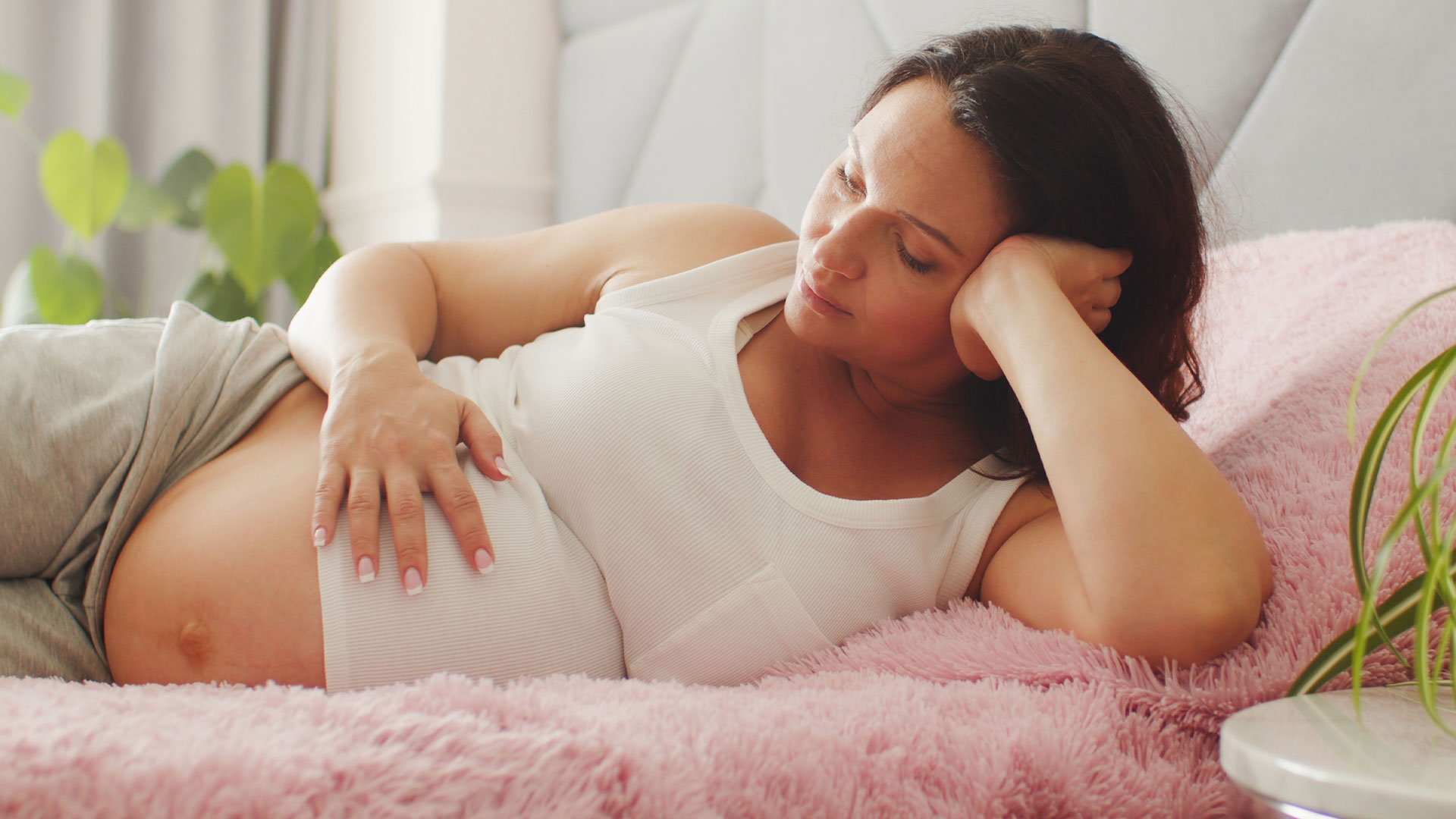
Preparation for Pregnancy at 35
Age 35 is considered a very good age for pregnancy, as statistically most problems appear later. So if you get pregnant now, the odds are in your favor for everything to go smoothly so you can enjoy your pregnancy without stress or worries.
The most important things to remember are the following:
- Avoid alcohol: Regular alcohol consumption reduces fertility in both women and men. Additionally, during the first weeks—when you will not yet know you are pregnant but the embryo will be developing very rapidly—even small amounts of alcohol can harm it.
- Healthy weight: Obesity has been shown in numerous studies to reduce fertility and cause serious pregnancy complications such as gestational diabetes and preeclampsia. On the other hand, very low weight can also lead to serious issues such as ovulation suppression. So now is a good time to regulate your weight within healthy limits, according to which the body mass index (BMI) should be between 20 and 30.
- Proper diet: There are certain foods that improve fertility, such as seafood, fish, green vegetables, and nuts. However, the most important thing is to follow a balanced diet including lean protein (like chicken, turkey, eggs), dairy, plenty of fruits and vegetables, and whole grains. What you must remember is that overall health and good physical condition have a direct positive effect on fertility.
- Reduce coffee: You don’t need to cut coffee completely (it’s not even required during pregnancy). However, it is recommended to reduce it to 1–2 cups per day.
- Exercise: Light exercise such as jogging, cycling, swimming, or walking will strengthen your body and help you relieve stress—which certainly doesn’t help.
- Quit smoking: Smoking is particularly dangerous throughout pregnancy and also drastically reduces fertility.
- Folic acid supplement: In early pregnancy, folic acid prevents congenital abnormalities in the embryo, such as spina bifida. However, it is considered crucial even while trying to conceive, first because you won’t know you’re pregnant during the first days, and second because in several studies it has been associated with higher rates of conception and implantation.
- Monitoring your cycle and ovulation: None of the above matters if you are not tracking your cycle to know when you ovulate. Since the egg survives in the fallopian tubes for only 24 hours, it is extremely important to have sexual intercourse with your partner on the day of ovulation and the day before. It is best to start using ovulation tests from day 10 of your cycle to ensure you do not miss ovulation.
Of course, we saved the best for last! The best preparation for pregnancy is sex! Ideally, sexual intercourse should occur every one or two days and definitely during the two days of the so-called “fertility window”.
When should I see a doctor? At this age, if you are doing all of the above and tracking your cycle to know exactly when your ovulation occurs, you should see a doctor if one year passes without becoming pregnant.
Preparation for Pregnancy at 40
At 40, a woman’s fertility unfortunately decreases significantly. Therefore, proper preparation is extremely important in order to succeed.
Beyond all the tips mentioned above regarding diet and exercise, it is also important to pay attention to the following:
- Fertility supplements: In addition to taking folic acid, it is a good idea to take a vitamin complex recommended by your doctor to help improve the quality of your eggs.
- Close cycle monitoring: After 40, a woman’s menstrual cycle is often unstable. While before 40 you may have had a perfectly regular 28-day cycle (meaning ovulation would occur between days 12–15), this is not guaranteed as you enter your forties. To avoid missing even a single month—since every egg is precious—you should begin ovulation tests early (right after your period ends) so you know exactly which day you will ovulate.
- Medical tests: It is recommended to undergo the medical tests your gynecologist suggests, such as measuring AMH and FSH hormones, to determine early on the biological age of your reproductive system. In fact, the FSH test can even be done at home, combined with ovulation tests, so you are fully informed about your fertility potential.
In any case, it is best not to let time pass. If you do not get pregnant within the first six months of trying, you should see a doctor so they can guide you properly and discuss your available options.
Read also: Guide to Pregnancy After 40: What You Need to Know
Preparation for Pregnancy at 50
Although natural conception at 50 is not impossible, it is unfortunately very rare. Assisted reproductive techniques are, at this age, the most effective solution for achieving conception and pregnancy.
Of course, the good habits described above are not only desirable but essential for increasing the chances that any attempt will succeed.
However, before starting to try for pregnancy, it is advisable to speak with your doctor, who will explain your options and guide you so you can avoid potential complications.
Start now by tracking your cycle with ovulation tests from HomeTest, which allow you—at very affordable prices and through a very simple process—to learn exactly when your ovulation occurs, so you can dramatically increase your chances of getting pregnant!
We also recommend the package that contains not only ovulation tests but also pregnancy tests. After all, you will need them—and we wish that very soon you will see two blue lines forming, marking the beginning of the most precious journey of your life!
0 comment(s)