
Pregnancy symptoms before the delay: What they are and how to distinguish them from period symptoms

The infamous two-week wait is one of the most emotionally challenging experiences a woman can go through. “Am I pregnant or not?” — the question lingers constantly in her mind, yet a reliable answer is still out of reach.
The problem is that most early pregnancy symptoms resemble the symptoms of an approaching period. At the same time, most pregnancy tests can give accurate results no earlier than the first day of a missed period — or possibly 1–2 days before.
The good news is that there are some early signs you can look out for — including one symptom that may appear well before your period is due and strongly indicates pregnancy.
Let’s explore everything you need to know about early pregnancy symptoms and how to tell if you're pregnant even from the very first days.
When do pregnancy symptoms start?
The implantation of the fertilized egg into the uterus happens about a week after ovulation (so approximately one week before a missed period). Once the embryo implants, it starts producing the hormone hCG (human chorionic gonadotropin), which triggers most early pregnancy symptoms.
It takes another 2–3 days after implantation for the hormone levels to rise enough to cause noticeable symptoms.
So, the earliest you may experience pregnancy symptoms is typically 4–5 days before your missed period — around the third to fourth week of pregnancy. Except for one symptom (explained below) that can appear even earlier.
What are the early pregnancy symptoms before a missed period?

The most common symptoms at 3 to 4 weeks pregnant include:
- Breast tenderness and swelling
- Frequent urination
- Fatigue or exhaustion
- Food cravings or increased appetite
- Nausea or mild nausea without vomiting
- Lower back pain or cramps
- Light spotting — implantation bleeding
- Abdominal bloating
- Constipation or digestive issues
- Mood swings or irritability
- Headache or migraine
- Low-grade fever
Implantation bleeding — the clearest early pregnancy symptom

Before we go into some examples women often report as early signs, let’s talk about implantation bleeding — because it’s the one symptom that truly stands out.
When the fertilized egg implants into the uterine wall, it can cause light bleeding — this happens in about 25% of pregnancies. It’s usually just a few drops of blood and typically appears about a week after ovulation.
This does not coincide with your period, making it the first and most distinct early sign of pregnancy.
How to tell early pregnancy symptoms apart from period symptoms
The key is knowing your body well enough to detect subtle differences between early pregnancy and PMS symptoms. There are no universal rules, but symptoms may feel different or more intense than usual.
For example, breast pain might feel sharper or more focused around the nipples. In many women, breast discomfort fades 2–3 days before the period as progesterone levels drop — but during pregnancy, the pain often increases over time.
Other symptoms that tend to be stronger in early pregnancy due to elevated progesterone include fatigue, headaches, and heartburn.
Constipation is another possible symptom, which is rare before a period but more common in early pregnancy.
Also read: Pregnancy symptoms: Everything you need to know
In any case, if you’re trying to conceive, it’s helpful to track how your body feels each cycle so that you can spot even the smallest changes.
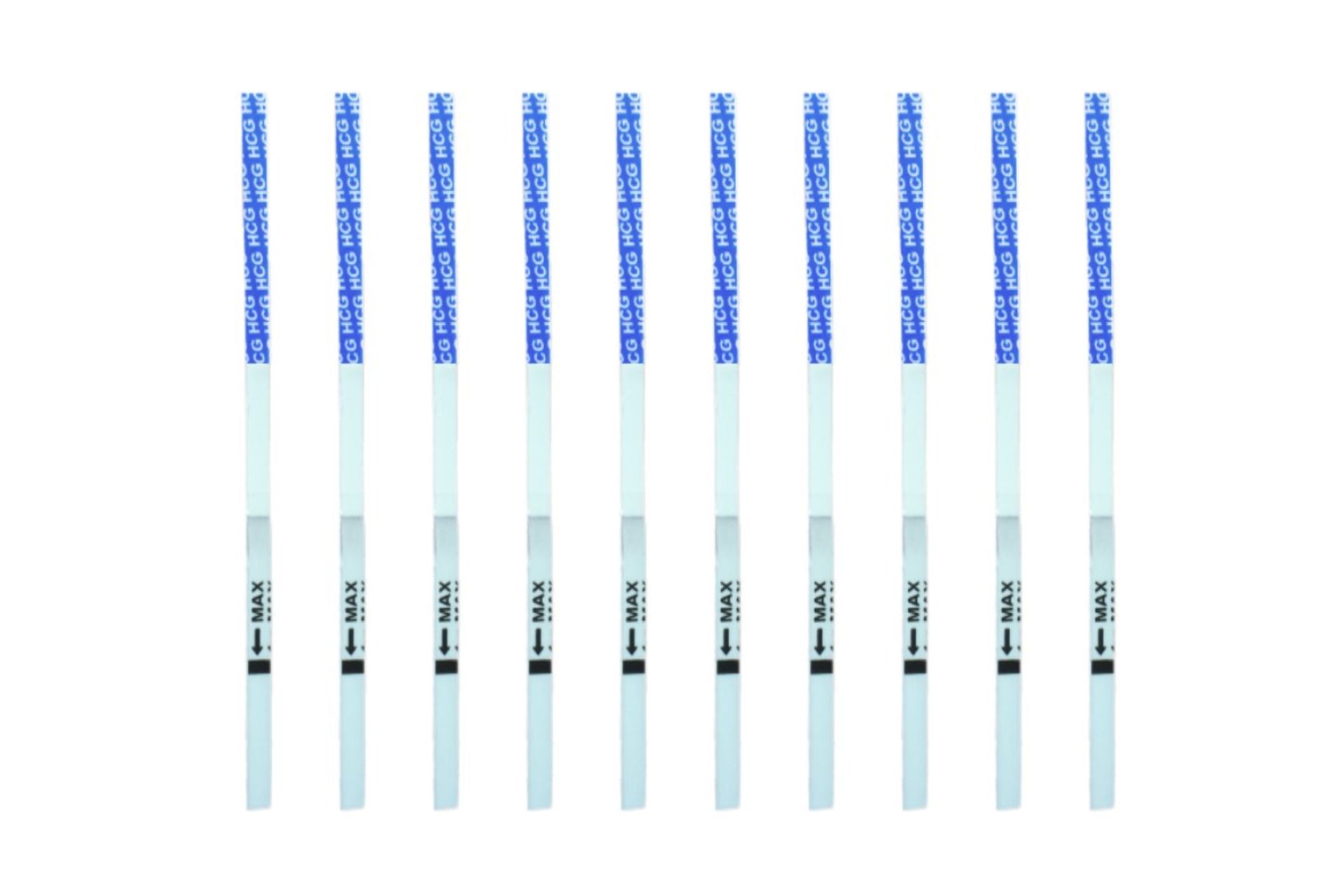
Pregnancy test strips from HomeTest are your best ally on this journey. Since they’re highly affordable, you can start using them early, and if you are pregnant, you’ll see the second line darken as your hormone levels increase.
Of course, no pregnancy test can be 100% accurate this early, but if the pregnancy is progressing normally, you may be able to see a faint line a few days before your expected period.
0 comment(s)