
Why is the FSH test important for women attempting to conceive for a long time

Do we want to know the ovarian reserve in our ovaries?
Before spending money on specialized tests, we can start by checking our FSH hormone levels on the 2nd day of our cycle. Let’s see below what FSH is and how this test can help us.
What is FSH?
FSH, or follicle-stimulating hormone, is produced by the pituitary gland at the beginning of the menstrual cycle and is responsible for stimulating the growth of ovarian follicles. During the next 14 days, the eggs grow and mature while the ovary continuously produces increasing amounts of estrogen. When enough estrogen is produced, it naturally regulates FSH release, resulting in a decrease in FSH production. This mechanism allows only one follicle (the largest) to continue developing.
What happens with FSH in infertility and menopause?
If a woman experiences symptoms of infertility or is approaching menopause, she may have a low number of ovarian follicles, which is reflected by high levels of FSH hormone.
Symptoms of high FSH include irregular cycles, hot flashes, sweating, vaginal dryness, fatigue, and infertility.
FSH tests can measure the level of this hormone in urine.
What are the normal FSH hormone levels?
Below are the normal FSH levels during different phases of the menstrual cycle for women of reproductive age:
Day 2–3 of the cycle: 3 – 10 mIU/ml
Mid-cycle: 3.4 – 33.4 mIU/ml
Luteal phase: 1.0 – 9.1 mIU/ml
FSH levels during menopause range between 23 – 116.3 mIU/ml.
How is the FSH test performed?
To avoid a false positive result, the test should be performed on the second day of your cycle. There are three possible outcomes:
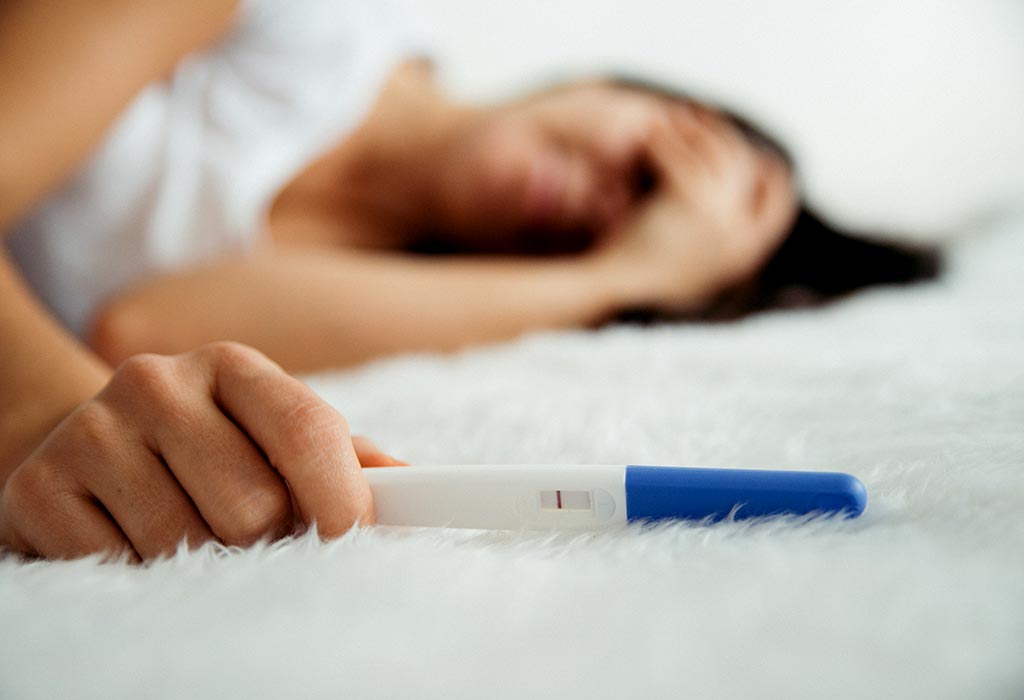
- If your FSH level is below 10 mIU/ml, everything is normal. This means that follicle maturation is easily achieved by your body. On the FSH test by HomeTest, the result will appear as a clearly negative result — that is, no line in the test area.
- If your FSH level is above 10 mIU/ml, this indicates a reduction in ovarian function and egg quality — if eggs are produced at all. On the HomeTest FSH test, this will appear as a faint line in the test area.
- If your FSH level is above 20 mIU/ml, FSH is considered high and there may be ovarian insufficiency (poor ovarian function). Symptoms of high FSH include difficulty getting pregnant, poor-quality eggs, and irregular cycles. On the HomeTest FSH test, this will appear as a dark line in the test area.
How can I lower my FSH levels?
There are ways to lower FSH levels, such as taking contraceptive pills or similar medications. However, it’s important to note that lowering FSH with medication does not solve the root problem — it only affects its manifestation, since the real issue is the low ovarian reserve, especially in older women. In such cases, the pituitary gland needs to produce more FSH in order to help the eggs mature.
In any case, you should always consult your gynecologist first before taking any action.
Which other hormones should be checked
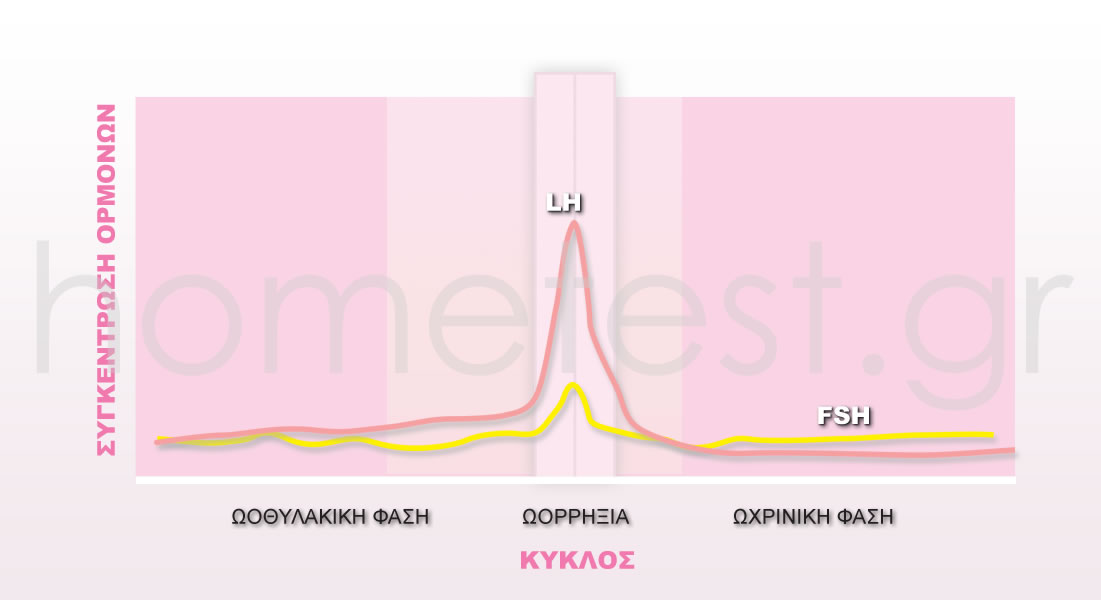
It is also recommended to check LH (the ovulation hormone) along with FSH. The normal FSH–LH ratio is 1 to 1, meaning that both tests should show similar results. If the line on the FSH test is darker than that on the LH test, this indicates a low ovarian reserve and should be further investigated by your doctor.
It’s also useful to compare FSH levels with estradiol levels on the 3rd day of your cycle.
--------------------
See all our blog articles by clicking here.
0 comment(s)