
A look inside your uterus at fertilization
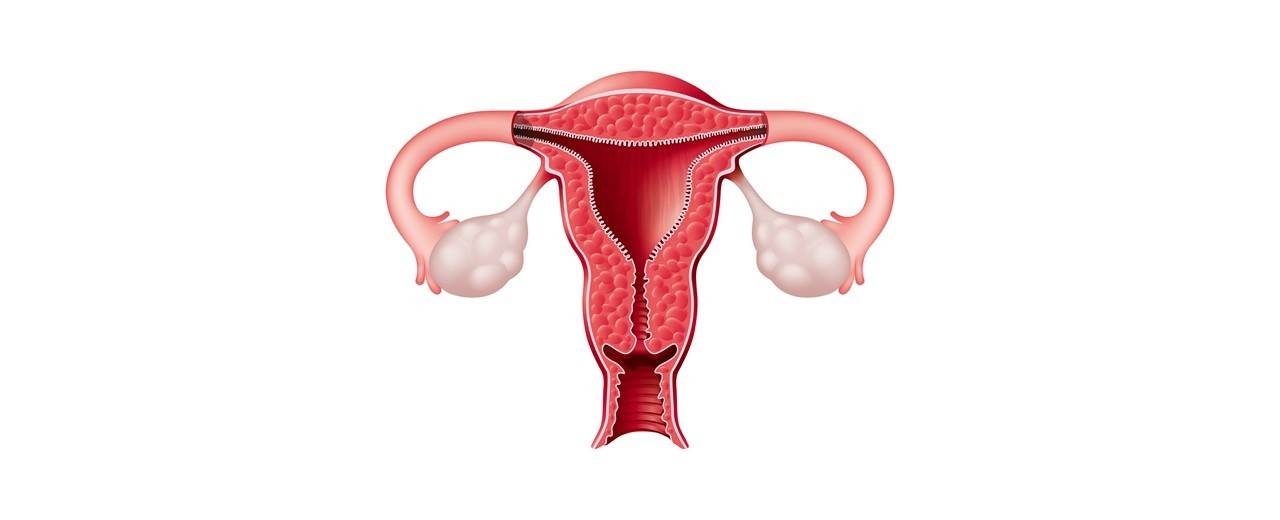
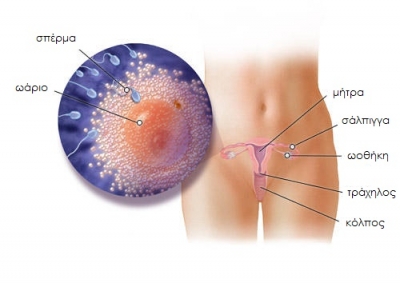
Pregnancy begins with fertilization — that is, when a woman’s egg unites with a man’s sperm cell. Eggs are produced by the ovaries, while sperm is produced by the testes. The sperm start their journey from the cervix and continue through the uterus, moving toward the fallopian tubes. In the fallopian tube, the released egg (which was released during ovulation) is already present. But where does fertilization actually take place? Fertilization usually occurs inside the fallopian tube, which connects the ovary to the uterus. If the fertilized egg successfully travels through the fallopian tube and implants in the uterus, an embryo will begin to develop!
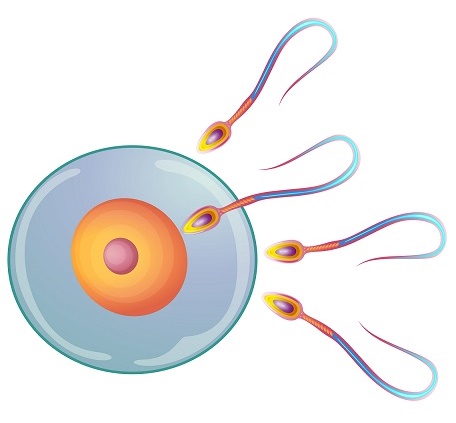
It is worth noting that the fertilized egg remains inside the fallopian tube for about 5–6 days, during which it divides into cells (mitosis), while the tube gently guides it toward the inside of the uterus. Afterwards, the embryo implants into the endometrium and begins its development.
Let’s take a closer look at what happens in the fallopian tube, the ovary, the egg, and the sperm in order for fertilization to occur — and how the egg is fertilized:
Fallopian tube: A sperm cell swims from your vagina, through the cervix, and into the fallopian tube to fertilize the egg it finds there.
Ovary: One of your eggs is released from its follicle and enters the fallopian tube.
Egg: Once the strongest sperm penetrates the egg’s outer membrane and manages to enter it, their genetic material combines to form a new cell that will soon begin dividing.
Sperm: It takes just one sperm cell — out of approximately 20 to 250 million — to fertilize the egg.
--------------------
See all our blog articles by clicking here.
0 comment(s)