
Pregnancy Mile: All the Basics You Need to Know at a Glance
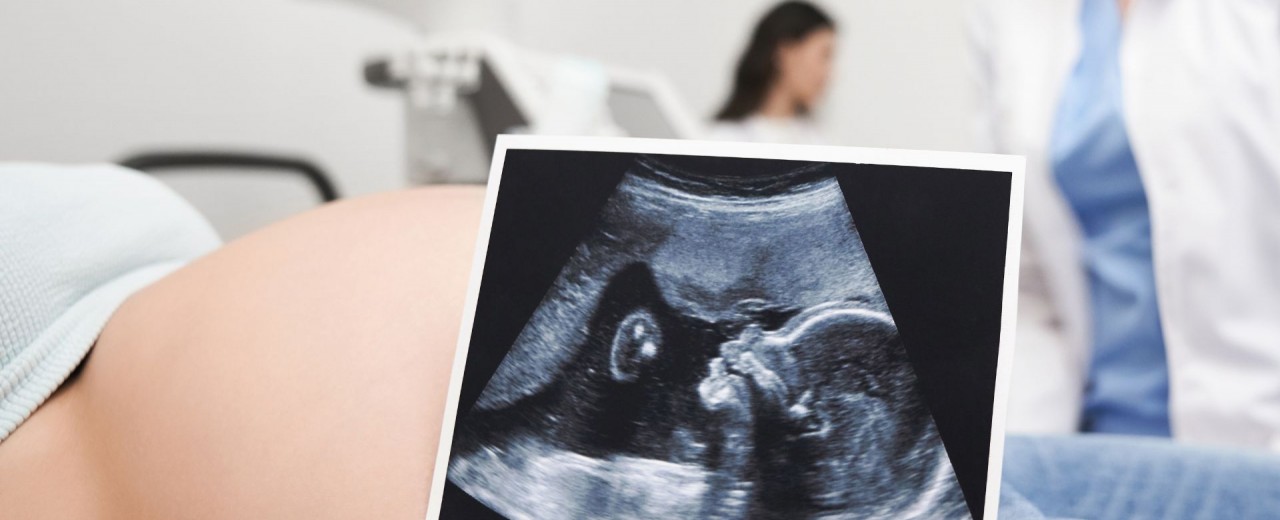
A molar pregnancy, also known as hydatidiform mole, is a difficult situation for a woman, as the pregnancy not only fails to develop normally, but also poses a risk to her health.
Since timely treatment is essential for proper management and avoiding complications, it is extremely important for a woman to know she is pregnant early and to consult a gynecologist at the first concerning symptoms.
Let’s take a look at what a molar pregnancy is, how you can recognize that something may be wrong, and what your next steps should be.
What is a molar pregnancy?
A molar pregnancy is the abnormal growth of the embryo along with excessive growth of trophoblastic cells, which make up the placenta.
A complete molar pregnancy involves the growth of abnormal placental tissue without an embryo, while a partial molar pregnancy involves abnormal tissue along with an embryo that does not develop properly.
Causes of molar pregnancy

The cause of a molar pregnancy is a genetic error, meaning that the fertilization process between the egg and the sperm did not occur correctly, resulting in an embryo that cannot develop.
Specifically, in a complete molar pregnancy, a sperm fertilizes an "empty" egg, i.e., an egg without genetic material, resulting in an embryo that contains only paternal DNA, which is non-viable.
In a partial molar pregnancy, the egg is fertilized by two sperm cells, resulting in too many chromosomes and a pregnancy that will ultimately not progress.
Risk factors for molar pregnancy include:
- Age under 20 or over 40 years old
- Previous molar pregnancy
- History of miscarriage or failed pregnancy
In case of a molar pregnancy, nutritional deficiencies or hormonal imbalances may be investigated, though in most cases it is a rare event that is unlikely to recur, similar to miscarriage.
Symptoms of molar pregnancy

A molar pregnancy has several symptoms that every pregnant woman should be aware of in order to act promptly:
Bleeding: Brown discharge or spotting is common in early pregnancy, but it can also indicate a molar pregnancy.
Severe nausea: Normally, nausea occurs after 6-8 weeks of pregnancy as hCG increases. In molar pregnancies, hCG is excessively high, causing severe nausea or even hyperemesis from the early days.
High blood pressure: A rare symptom usually appearing at the end of the first trimester. If the molar pregnancy progresses without treatment, it may cause preeclampsia—high blood pressure, headache, and swelling.
Diagnosis of molar pregnancy
How do I know if I have a molar pregnancy? This is a common question among women in early pregnancy, especially if they experience the above symptoms.
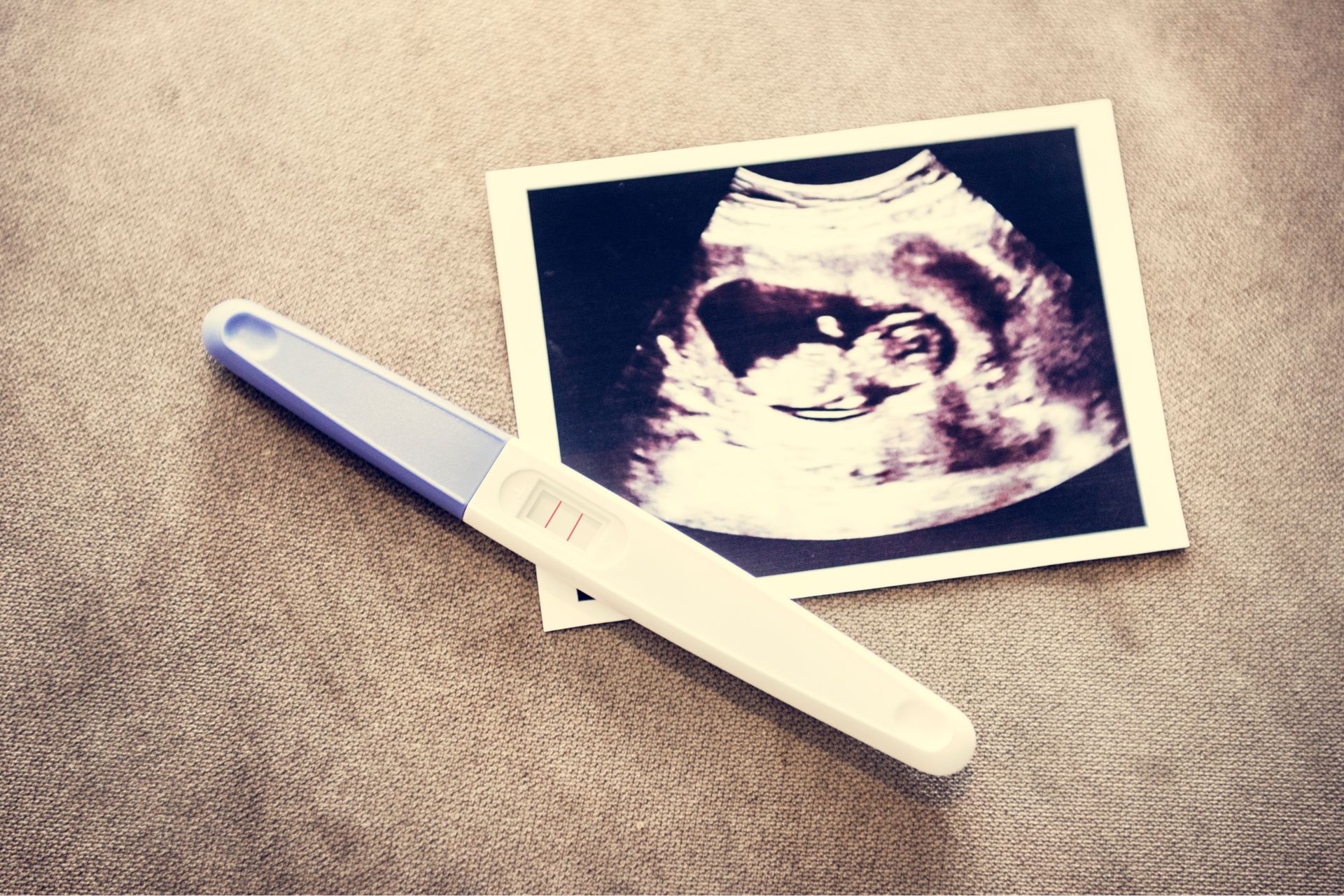
The definitive diagnosis is made via ultrasound. An ultrasound in molar pregnancy reveals abnormal tissue resembling a "cluster of grapes" in the uterus, with no embryo in complete moles or no heartbeat in partial moles.
However, early diagnosis can also begin with high hCG levels. Normal hCG levels during early pregnancy rarely exceed 200,000 mIU/mL, while in molar pregnancies they can be over 300,000 mIU/mL due to the abnormal trophoblastic growth.
Even before blood tests, a home pregnancy test can give you a clue. If the second line is very dark even in the early days (or before a missed period), a blood test and ultrasound are recommended.
Treatment of molar pregnancy

The treatment for molar pregnancy is uterine evacuation (D&C), similar to miscarriage. However, close follow-up in the weeks after is crucial to ensure no recurrence.
Therefore, after the procedure, you should regularly take pregnancy tests as instructed by your doctor, to ensure hCG levels return to zero, which confirms you are no longer pregnant.
Complications of molar pregnancy

The issue with molar pregnancy is that in rare cases, the abnormal tissue can persist and continue growing. This can lead to invasive mole or choriocarcinoma.
In invasive mole, abnormal cells invade the uterine wall, potentially leading to cancer. In choriocarcinoma, the cells can metastasize. However, with early diagnosis and chemotherapy, the cure rate exceeds 90%.
This is why it's important for women to monitor hCG levels via pregnancy tests for 8–12 weeks post-treatment, to catch any recurrence early.
Can I get pregnant after a molar pregnancy?

The vast majority of women have a normal pregnancy after a molar pregnancy, but any attempts to conceive should be made only with your gynecologist’s approval.
After a complete mole, recurrence and complication risk is higher (15–20%), so confirmation of full recovery is essential before trying again.
After a partial mole, pregnancy may be allowed sooner, since complications are much less likely (under 5%).
In any case, full treatment and absence of complications are the top priorities to safeguard the woman’s health.
How a pregnancy test can help you
Finding out you're pregnant early, even from the first days of delay, is the best thing you can do to adjust your lifestyle immediately.
Knowing you're pregnant through a pregnancy test helps you manage your emotions early on and make the right decisions.
If your test is positive, your doctor will likely recommend a blood test in a few days to check your hCG levels and follow up with an ultrasound.
An early pregnancy ultrasound is key for timely diagnosis of complications like ectopic or molar pregnancy.
In molar pregnancy, the earlier the diagnosis and treatment, the lower the chances of complications or recurrence. In addition, regular hCG monitoring for 2–3 months is the key to confirming successful treatment or spotting a relapse.
HomeTest pregnancy tests are 100% reliable and affordably priced, to support every woman through a healthy pregnancy journey.
By following your doctor’s instructions and maintaining regular follow-up, molar pregnancy can be successfully treated and fertility preserved.
0 comment(s)