
I'm 7 days late and a negative pregnancy test! What's going on?

Delay (late period) is by itself one of the main pregnancy symptoms. But what happens when there is a delay, yet the pregnancy test comes out negative?
Whether you are trying to get pregnant or not, this is an extremely stressful situation — and unfortunately stress in such cases only makes things worse. Mood swings, swollen breasts, delayed period and a negative test are a recipe for emotional chaos, since all of the above can indicate that your period will come in a few days or that you are pregnant, but the test is negative for some reason.
So why might you have 7 or 8 days of delay and a negative test? We have even heard of cases with 20 days of delay and a negative test, although this is not very common — but it can happen.
In summary, such situations fall into one of the four categories below:
- You don’t actually have a delay.
- You are pregnant, but the test is not showing it.
- You are pregnant, but there is an issue with the pregnancy.
- You are not pregnant and the delay is due to other reasons.
Let’s look at them more analytically below.
Incorrect cycle calculation

Many women have a perfectly stable 28-day cycle. In other cases, the cycle ranges between 26–33 days with small fluctuations from month to month.
It is possible that in this cycle ovulation occurred later than usual, making this cycle longer than previous ones.
Therefore, it is a good idea to wait 2–3 more days to see if you truly have a delay or not. Especially if you haven’t used an ovulation test to know exactly when you ovulated, ovulation may have simply happened later this month.
The test does not show the pregnancy
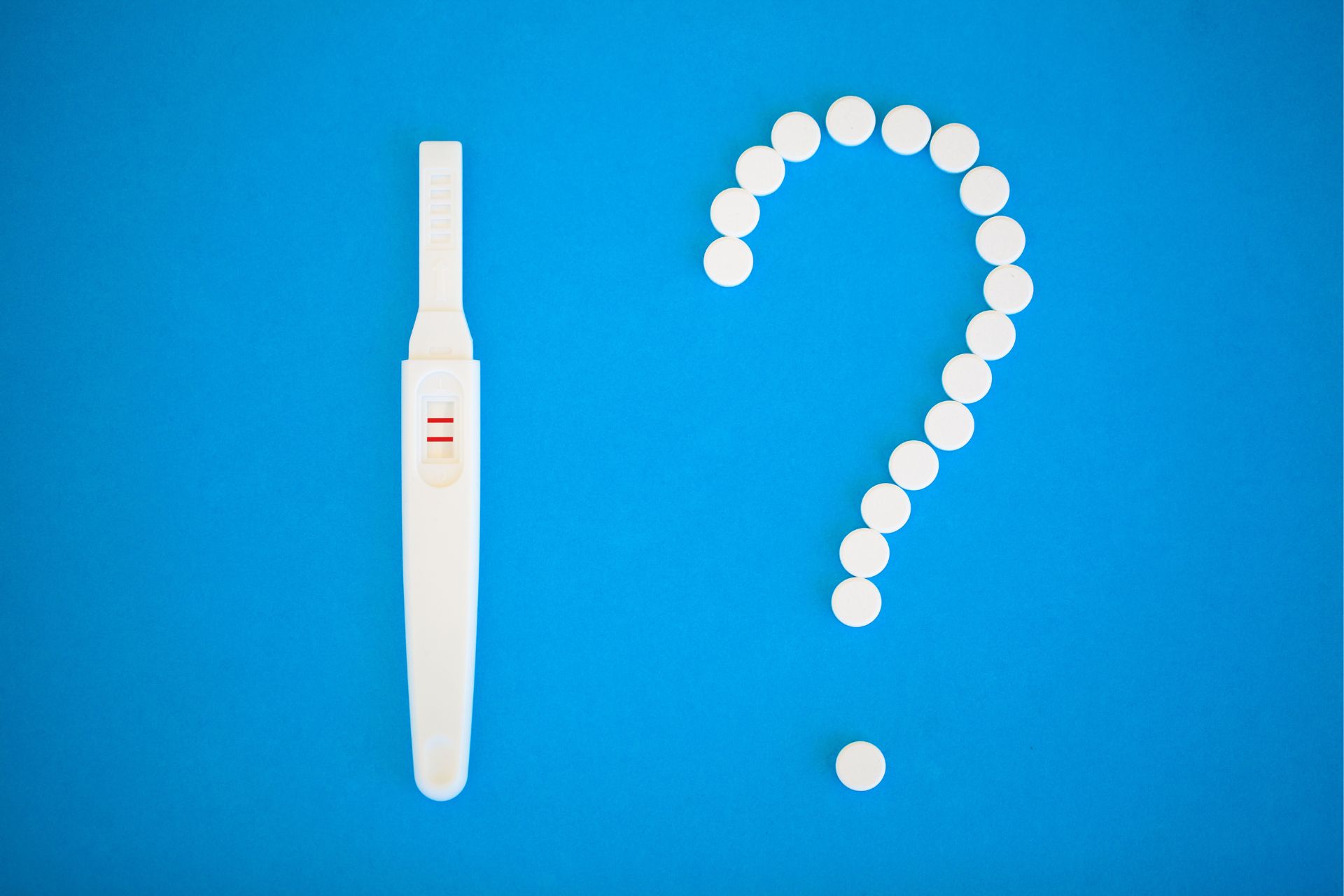
Generally, a reliable pregnancy test, such as those from Hometest, shows a potential pregnancy with 100% accuracy from the very first day of delay.
However, in rare cases, pregnancy may not appear immediately for the following reasons:
- Incorrect use: If the test is done in the urine stream (as with digital tests and midstream tests), it may not be performed correctly. Try the method using collected urine, which is easier and more accurate.
- Time of day: Pregnancy tests should be taken with first-morning urine, which contains the hCG hormone in higher concentration.
- Too many fluids: If you took the test after drinking a lot of fluids, your urine may have been diluted.
- No actual delay: In irregular cycles, you may indeed be pregnant but at a very early stage. Delay and detectable pregnancy occur 14 days after ovulation — so in this cycle ovulation may simply have happened later.
See also the article: I have 2 negative tests and a delay: What does it mean and what should I do?
The pregnancy is not progressing properly
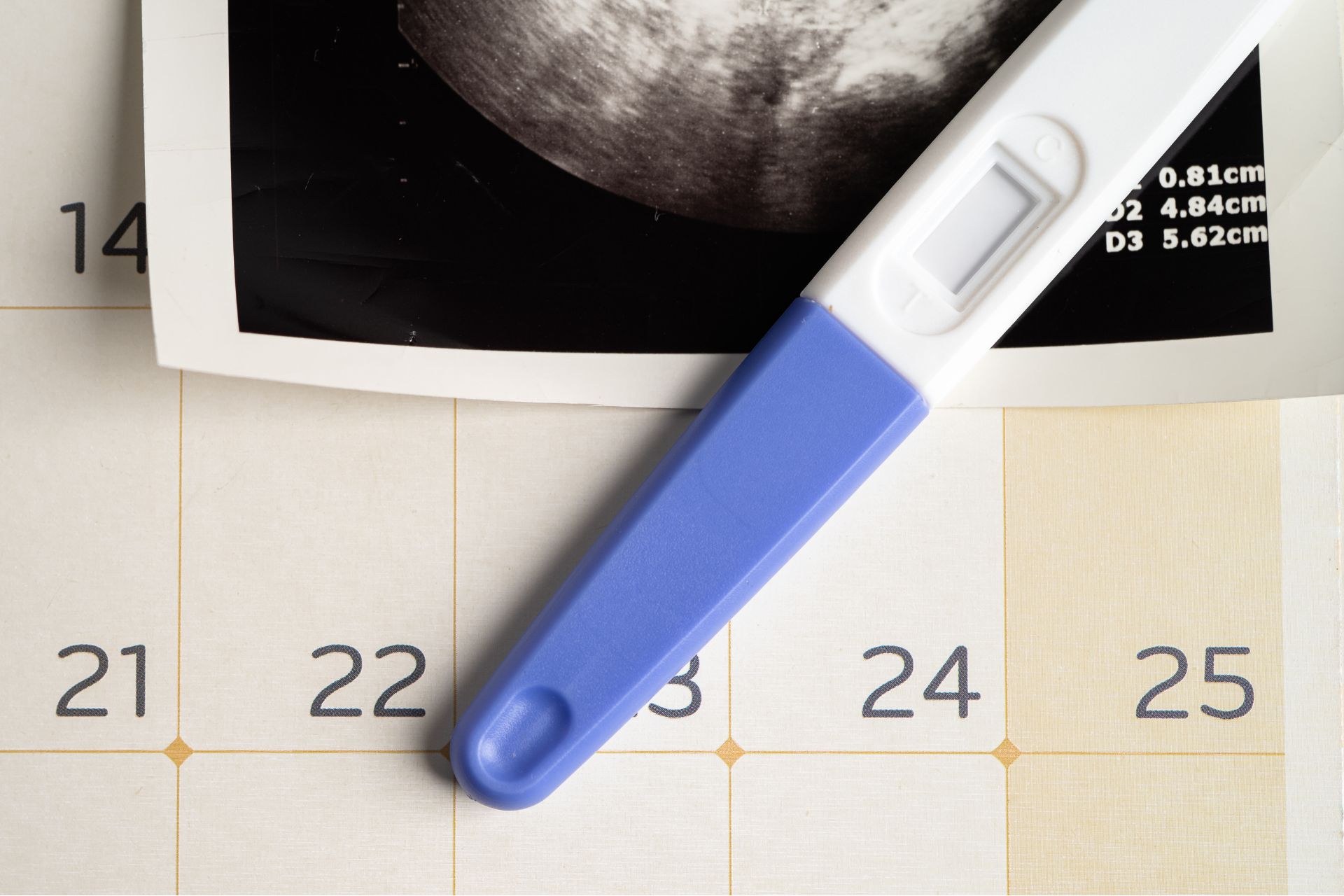
In the early stages, β-hCG doubles every 48 hours, rising at an exponential rate. This is why the line on a pregnancy test darkens as days go by.
If, however, the pregnancy is not progressing properly, the hormone levels will drop instead of rising. This can occur in cases of ectopic pregnancy, miscarriage, or biochemical pregnancy.
However, you should not panic if, for example, you have 2 negative tests and a delay. Ectopic pregnancy usually causes intense pain, while miscarriage often presents with bleeding long before the hormone disappears from the body and the test becomes negative.
In any case, if you experience pain or any other symptom, you should contact your gynecologist immediately.
The delay is due to other reasons
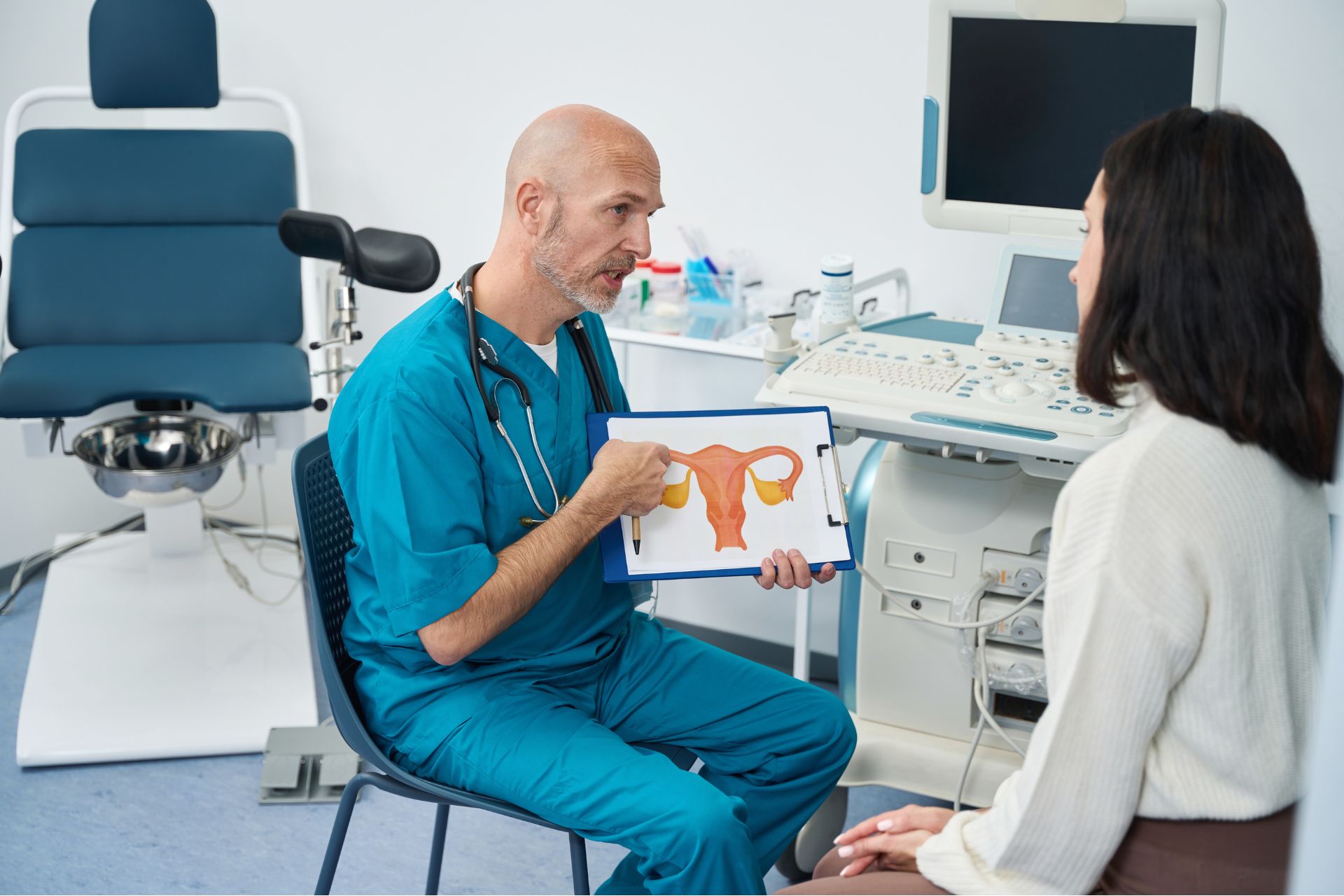
You may indeed have a delay but not be pregnant — and this is why the pregnancy test comes out negative.
There are many causes of delayed periods other than pregnancy:
- Thyroid disorders
- Polycystic ovary syndrome
- Intense stress
- Anovulatory cycles due to hormonal imbalances
- Sudden or significant weight loss or gain
- Medication use
- Inflammation or infections of the uterus or ovaries
- Menopause or perimenopause
If the situation persists, you should consult your doctor. A few days of delay with a negative test is not something to worry about at first — but if more days pass and your period still doesn’t come, you definitely need medical advice.
0 comment(s)