
Guide to Pregnancy After 40: What You Need to Know

If you’ve entered your fifth decade and are trying to have a child, it’s perfectly natural to wonder about your chances of getting pregnant at 40, 45, or 50. The truth is, more and more women are becoming mothers at these ages, and thanks to advances in medical science, it’s more possible than ever.
However, it’s crucial to understand both the challenges and the opportunities so that, with the right knowledge, you can make your dream of getting pregnant at 45, 50, or whenever you feel ready for it a reality.
Let’s explore the key facts about fertility at 45 and around that age, the risks of a first pregnancy after 40, and the essential tests that can maximize your chances.
Pregnancy odds by age

Until what age can a woman conceive naturally? This is a common concern for women trying to get pregnant after 40. The most fertile age is between 20 and 30, but ultimately, the best time to have a child is whenever it feels right for your family.
While the chances of conception within a year of regular trying range between 75–90% before age 35, they decline steadily after that. For instance:
- At 36: around 60%
- At 38: about 55%
- At 39: approximately 50%
After 40, the odds continue to drop:
- At 40: 45%
- At 41: 36%
- At 42: 30%
- At 43: 20–25%
- At 44: 10–15%
- At 45: 5%
- At 46: 3%
- At 47: less than 2%
- At 48–49: 1%
- At 50: nearly 0%
So, natural conception after 47 is extremely rare. Pregnancy at 49 is possible but very unlikely, and at 50, natural conception is statistically almost impossible.
Therefore, for pregnancy at 50, IVF is usually the only viable option, and often donor eggs may also be necessary.
Essential fertility tests after 40
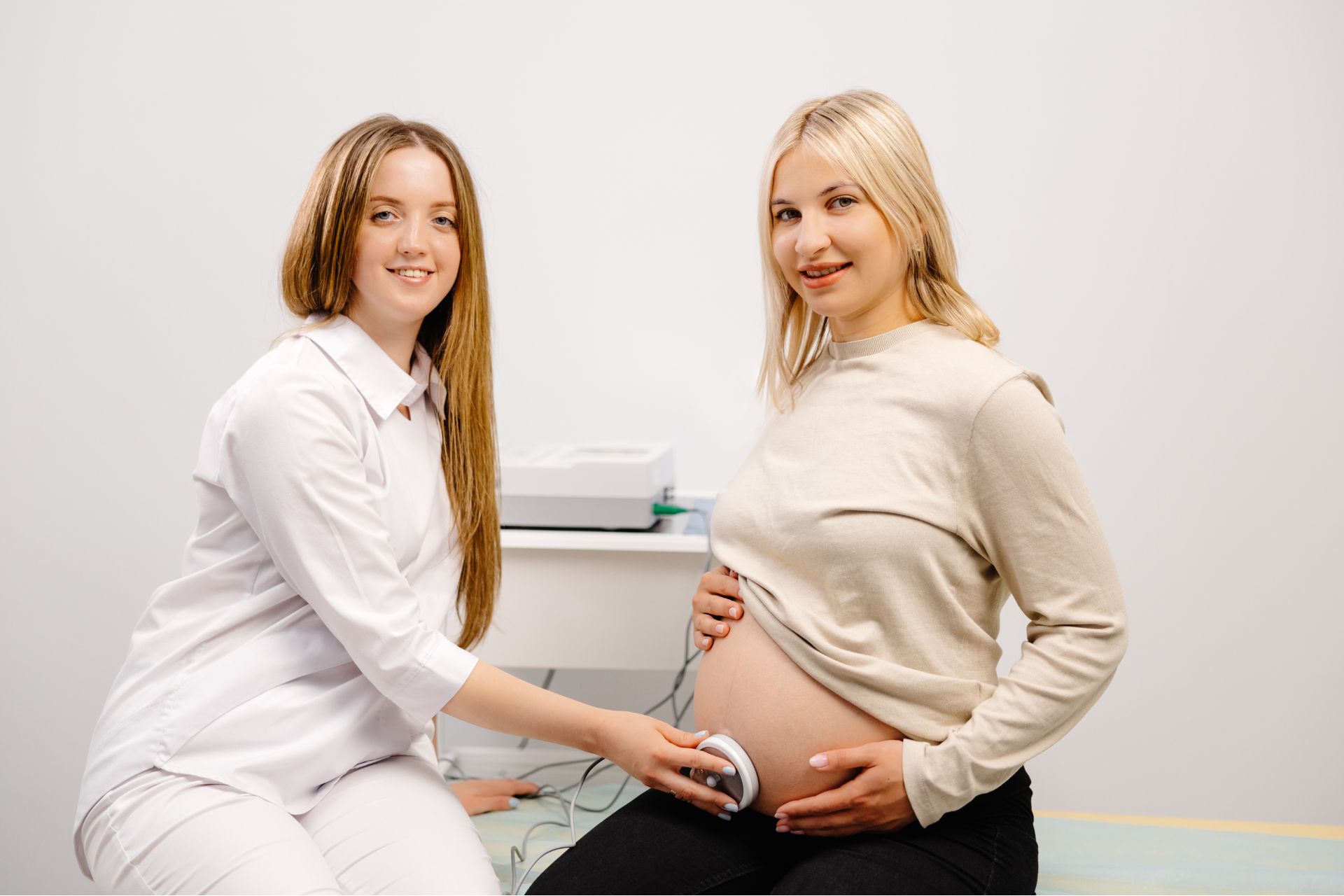
Because natural conception becomes more difficult after 40, it’s wise to consult a fertility specialist early to explore your options.
The most common fertility tests for women over 40 include:
Hormonal testing
- FSH (Follicle-Stimulating Hormone): High levels may indicate a diminished ovarian reserve.
- AMH (Anti-Müllerian Hormone): A reliable marker of ovarian reserve.
- E2 (Estradiol): Measures estrogen levels.
- TSH, FT3, FT4: Thyroid function is vital for fertility and general health.
- Prolactin: High levels can interfere with ovulation.
- LH (Luteinizing Hormone): Works with FSH and helps regulate ovulation.
Ultrasound imaging
Ultrasound checks the uterus for abnormalities like fibroids, polyps, adhesions, or endometriosis. In some women with irregular cycles, ovulation may also be monitored via ultrasound. However, if your cycle is regular, you can use ovulation tests, which are highly reliable for detecting the LH surge and planning intercourse during your fertile window.
Your doctor may also recommend a hysterosalpingography (HSG) to check for fallopian tube blockages — a common cause of infertility.
In any case, before undergoing any testing for pregnancy after 40 without IVF, it’s essential to know when you ovulate, so no egg is wasted.
You can easily and affordably track this using Hometest ovulation tests, which alert you 24–36 hours before ovulation, helping you time intercourse for the best chances — the day before and the day of ovulation.
It’s also a good idea to take the FSH test, which can quickly assess your FSH levels and give you insight into your ovarian reserve.
Risks of pregnancy after 40
Pregnancy after 40 carries certain risks that can affect both the mother and the baby:
- High blood pressure and preeclampsia
- Miscarriage
- Placental abruption
- Gestational diabetes
- Chromosomal abnormalities
That’s why it’s essential to stay in close contact with your doctor throughout conception efforts and during pregnancy, ensuring regular testing and proper management of any complications.
0 comment(s)