
Can you conceive after ovulation? The right time to try to get pregnant

One of the main reasons many couples delay seeing that long-awaited positive pregnancy test is because they don’t understand the importance of correct timing. The truth is that a woman’s ovulation — the only time she can conceive — happens just one day a month. So, it’s crucial to plan intercourse at the right time.
Let’s take a closer look at when conception happens and what the “fertile window” is that dramatically increases the chances of pregnancy.
The “fertile window” and why conception doesn't occur after ovulation
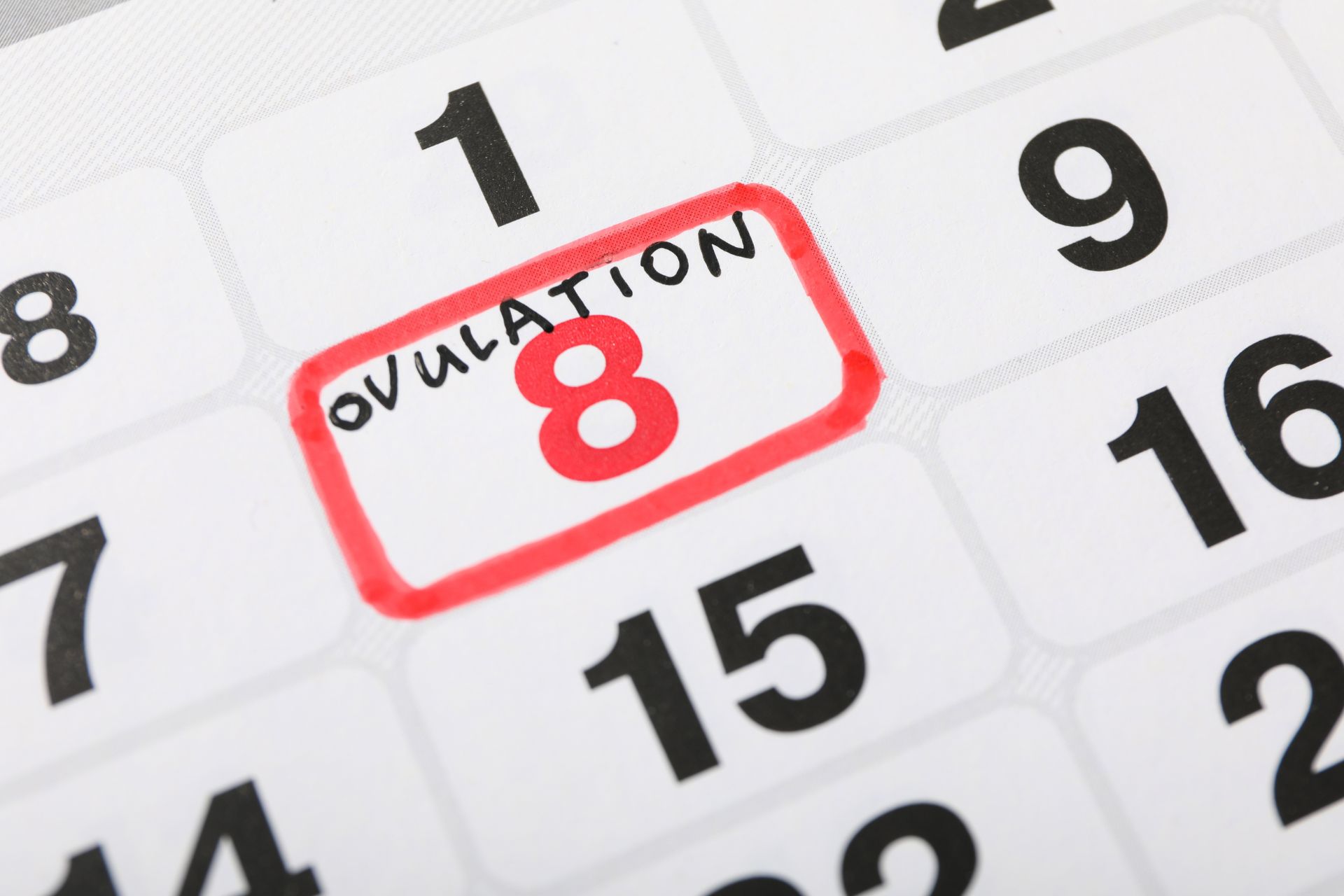
There are two key facts you need to know if you're trying to conceive:
First, a man’s sperm can survive in the female reproductive system for several days (around 5–8 days). However, only a few will survive that long — most live for 1–3 days.
Second, a woman’s egg, released during ovulation, survives for about 24 hours, waiting in the fallopian tube to be fertilized.
These two factors create what is known as the “fertile window,” the two days when intercourse is most likely to result in pregnancy. These are the day before ovulation and the day of ovulation itself.
After ovulation — that is, the next day and all following days in the cycle — conception can no longer occur, as the egg does not survive longer than 24 hours.
Can conception occur before ovulation?
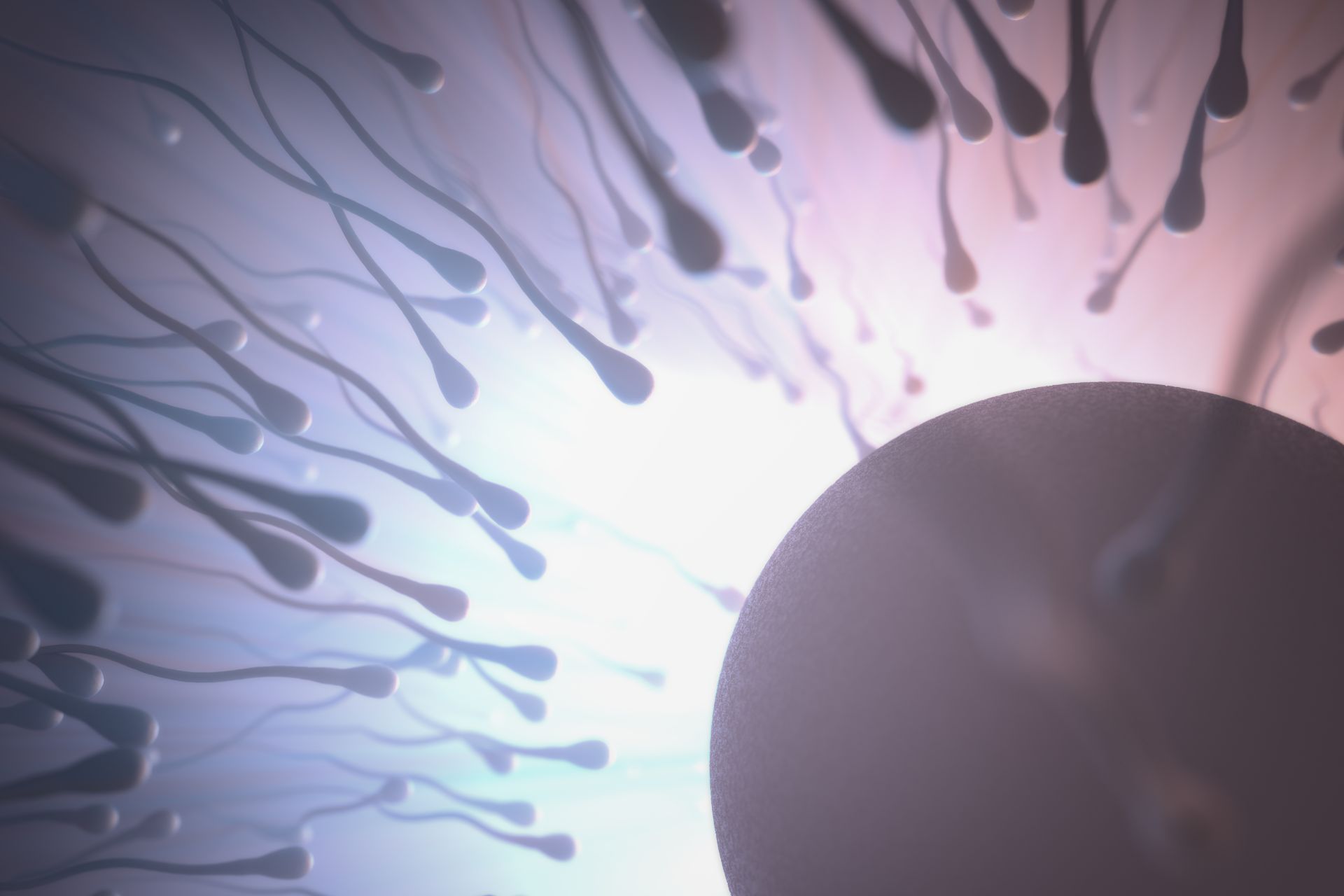
To be precise, conception doesn’t happen before ovulation — it occurs a few minutes to a few hours after ovulation.
So, if a couple has intercourse the day before ovulation, the woman won’t conceive that same day. However, there will be sperm waiting in the fallopian tube when ovulation occurs the next day.
We can’t pinpoint the exact moment conception happens after ovulation, but we do know the window is only 24 hours.
Therefore, even if just one day has passed since ovulation, it’s too late — the egg is no longer viable and cannot be fertilized.
Can conception occur before your period?
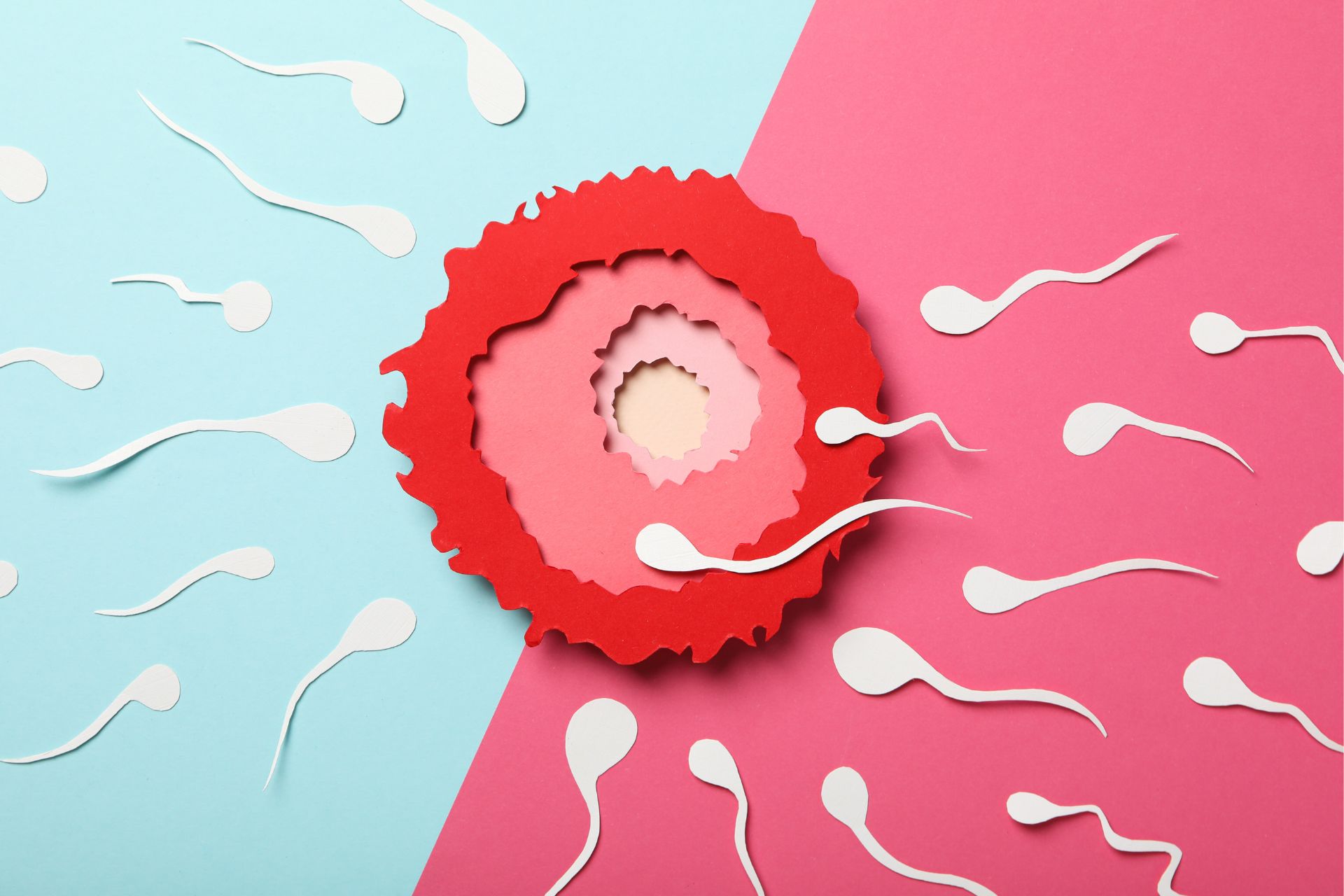
If we’re talking about a few days before your expected period, then no — conception is not possible.
Ovulation typically happens about 14 days before the next period, so after that point, conception cannot occur.
However, a woman cannot be completely sure when she ovulated unless she uses an ovulation test. Especially if her cycle is irregular, she may believe ovulation has already occurred because her period is approaching, when in fact ovulation may still be on the way.
This is important for couples trying to conceive and also for those trying to avoid pregnancy by tracking fertile days.
Can conception occur after your period?
Conception right after your period is unlikely but not impossible — and it depends on what exactly we mean by “after your period.”
If we’re talking about 1–2 days after the end of the period and assuming ovulation occurs mid-cycle, pregnancy is unlikely — but not out of the question.
This is because, as we’ve mentioned, sperm can survive for several days and may still be present when ovulation occurs.
So, the closer you get to ovulation, the higher the chances of conception. In fact, 7–10 days after your period ends is typically when ovulation happens for most women with regular cycles (i.e., mid-cycle).
This shows how important it is for a woman to know when she ovulates so she can plan intercourse accordingly. With Hometest’s ovulation tests, you can find out very easily and affordably.
All you need to do is get ovulation test strips — available at very low prices — and start testing early, ideally from day 8 of your cycle, so you don’t miss your ovulation day and can make the most of your fertile window!
0 comment(s)