
Can I use ovulation tests while I'm still breastfeeding? What about fertility while breastfeeding?
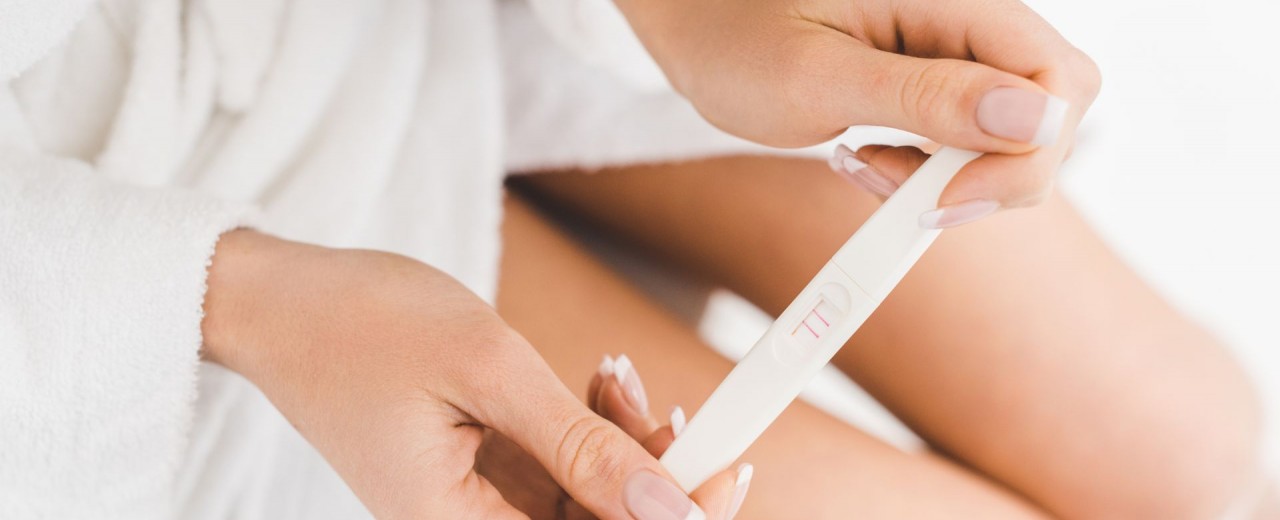
You’re holding your baby in your arms and can’t wait to hold another one too? Many moms want their children to have a small age gap, so they wonder when they can start trying for another pregnancy.
Of course, when your body will be ready again for pregnancy is something you should discuss with your gynecologist, but there is another question: When does fertility return after childbirth while breastfeeding?
In general, breastfeeding significantly reduces fertility and often suppresses ovulation. In these cases, you cannot get pregnant and there is no point in using ovulation tests.
However, at some point ovulation returns—and this can even happen before your first period—so in this case, an ovulation test can help you.
There are, however, several things you need to pay attention to along the way, and to help you, we’ve gathered everything into a complete guide about breastfeeding and ovulation.
Do I ovulate while breastfeeding?
Sometimes yes, and sometimes no.
During breastfeeding, the hormone prolactin is released, which suppresses ovulation and therefore a woman’s fertility. So, the general rule is that while you are breastfeeding, you do not ovulate, you cannot get pregnant, and therefore you do not have a period.
However, this is not absolute. If breastfeeding becomes less frequent, prolactin production decreases, so ovulation may occur—typically about 14 days before your next period.
This means that for one month you may ovulate without knowing it, since your period has not yet appeared. This is also why some women become pregnant before their first period after childbirth, as conception happens during the first ovulation.
When can I use an ovulation test while breastfeeding?
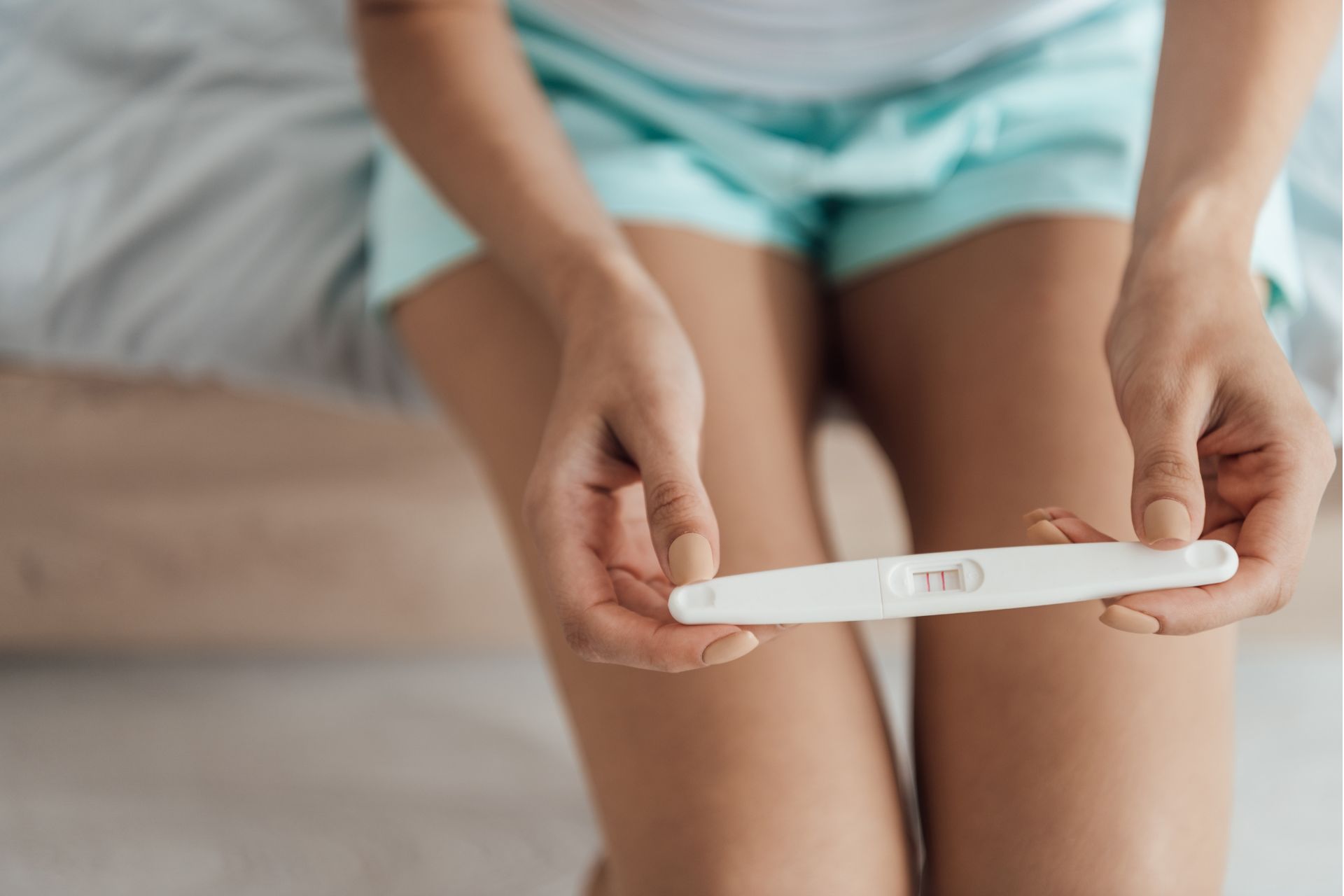
Since there is a possibility of ovulation while breastfeeding, this means you can use ovulation tests to determine when your fertile window occurs.
In general, the chances of ovulating while breastfeeding increase as breastfeeding decreases. With frequent, exclusive breastfeeding it is quite difficult, but as breastfeeding becomes less frequent, a woman’s fertility gradually returns.
This typically happens:
- After the baby is about 5 months old, when solid foods are introduced and milk intake decreases.
- When using mixed feeding (breastfeeding combined with formula).
However, it is easier to start using ovulation tests after your first period has already returned, as this gives you a reference point for when to begin testing. It is recommended to start ovulation tests on the 8th day of your cycle, especially if you have a short cycle of fewer than 28 days.
When should I start ovulation testing? The ideal day based on your cycle
What to pay attention to with ovulation tests while breastfeeding
Ovulation tests work by detecting the increase in luteinizing hormone (LH), which occurs 24–36 hours before ovulation.
However, during breastfeeding this hormone does not follow a stable pattern. Specifically, when a woman is breastfeeding, LH may not show a clear surge to trigger ovulation—it may not rise at all or may rise slightly multiple times during the cycle.
As a result, an ovulation test may:
- Never turn positive.
- Show a faint positive result.
- Show positive results multiple times within the same cycle.
Therefore, the result of an ovulation test is not completely clear while breastfeeding.
To get clearer results and be able to plan intercourse more effectively, it’s best if:
- You have already had 1–2 periods.
- Breastfeeding has decreased.
In any case, with ovulation test strips from HomeTest, you can easily and affordably take as many ovulation tests as needed until you identify your fertile window and soon hold another baby in your arms!
0 comment(s)