
5 successful tricks for easy conception

If you and your partner are trying for a baby, then you’ve probably heard some classic conception tips — like quitting alcohol, getting good sleep, exercising, and avoiding stress.
Useful advice, of course, but it won’t necessarily make a difference within 1–2 months. These are generally good habits to stay healthy and help your body handle pregnancy without issues, but they’re not game changers.
However, there are some tricks for easier conception that can truly make a difference — even from the next cycle. So, if you’re tired of waiting to finally see those two lines on your pregnancy test, make sure you read on.
Tracking Ovulation

The number one, fail-proof tip. The chance of getting pregnant exists only during the so-called “fertile window.” That’s when the sperm can meet the egg and fertilization can occur. Intercourse several days before or after ovulation is almost guaranteed to fail — even if both of you are perfectly healthy and fertile.
You therefore need to know when you’re ovulating so that you can plan intercourse accordingly and greatly increase your chances of conceiving. No matter how regular your cycle is, you unfortunately can’t know the exact day of ovulation.
Unless you use an ovulation test, which tells you 24–36 hours before ovulation that it’s about to happen. This way, you easily identify your two most fertile days (the day before ovulation and the day itself) and make sure you don’t miss the right timing.
Hometest ovulation tests are very easy to use and affordable, so you can start testing early in your cycle to make sure you never miss that precious moment.
Frequent Intercourse

The myth that sperm quality depends on the frequency of intercourse has been debunked. There’s no reason to wait many days until the fertile window — studies have shown that sperm quality actually decreases if more than 5–6 days have passed since the last ejaculation.
Sperm is at its best quality — in terms of quantity, morphology, and motility combined — about every two days. However, during the fertile window, it’s best to increase frequency so that the chances of sperm meeting the egg also increase.
The Best Position for Conception

It’s not entirely clear whether position matters for conception, as sperm move quickly and the obstacles they encounter are more significant than gravity itself.
However, experience has shown that positions involving both deep penetration and retention of semen inside the vagina can help. Therefore, the missionary position and the side (spooning) position are considered the best for conception, while the “woman on top” position is best avoided.
Lubricants for Conception
Many common lubricants harm sperm, so it’s best to use lubricants specifically designed for conception. These lubricants create an ideal environment for sperm with the proper pH and even improve sperm motility.
Boosting Male Fertility
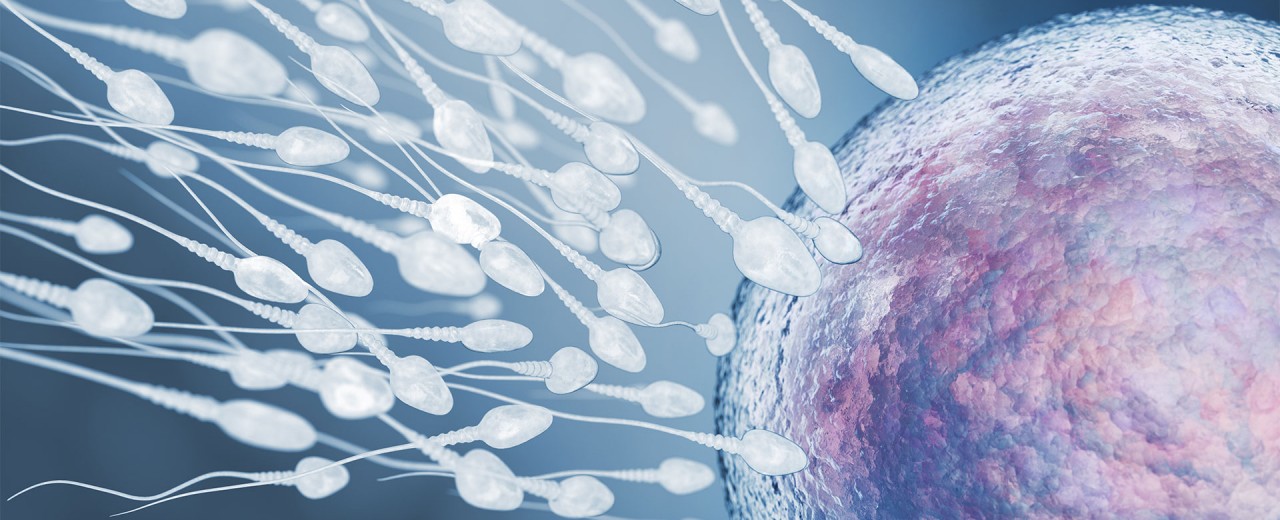
Certain everyday habits can damage sperm quality without men even realizing it. And we’re not just talking about smoking, alcohol, or poor diet — although these should definitely be avoided, stopping them won’t have an immediate effect, since it takes months to see improvement.
What your partner absolutely must do, however, is avoid heat. Hot baths and tight underwear that prevent the area from breathing create a toxic environment even for the healthiest sperm.
In any case, it’s a good idea for men to know the quality and quantity of their sperm, something that can easily be done at home with a male fertility test. This gives a clear picture of fertility levels and helps determine whether medical advice is needed.
Check out the ovulation tests from Hometest — as well as our pregnancy tests — and we wish that your next positive ovulation test soon leads to a positive pregnancy test!
0 comment(s)